Look inside the cap
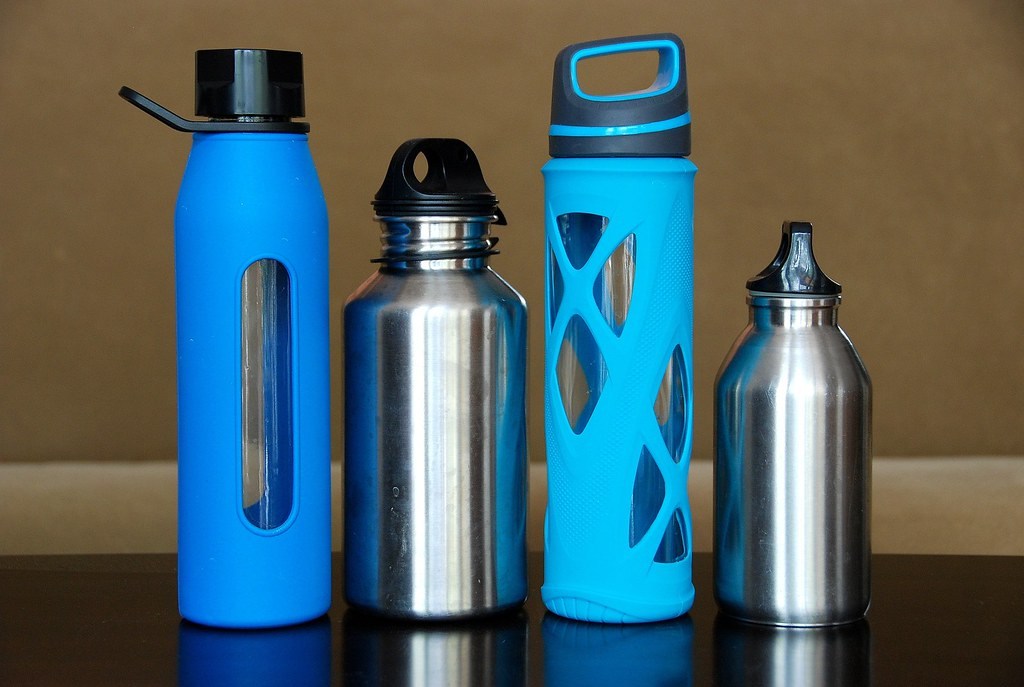
A bottle's body is often easier to inspect than its lid. Before buying, look at every part that touches the drink: the spout, straw, valve and seals. Find out which pieces can be removed and whether instructions show how to put them back. A cap with hidden channels may need a cleaning tool that is not included.
Avoid choosing purely by a promise of one-handed drinking. That convenience may suit a commute, but it also introduces parts that need attention. A screw cap can be simpler, yet may be inconvenient while walking. Choose the compromise you will maintain rather than the mechanism with the most features.
Match the opening to the routine
A wide mouth can make a brush easier to use and allow ice cubes to pass through. It can also be less convenient to drink from while moving. A narrow opening may pour neatly but require a longer, slimmer brush. Check the opening against the tools you already own, not just against the diameter of the bottle body.
If you use drinks other than water, read the permitted contents and cleaning instructions. Do not assume a bottle accepts hot or fizzy drinks merely because it is made from metal. Pressure, lid design and temperature limits are separate questions. The maker's instructions should identify what the complete bottle is intended to hold.
Carry a realistic amount
Capacity becomes weight when the bottle is full. Think about the journey between refill points and the bag pocket available. A very large bottle may be left at home because it is awkward to carry. Compare its height with the tap or refill station you normally use and allow for the cap when measuring storage space.
A carrying loop is useful only if it is intended to bear the load. Do not improvise by hanging a full bottle from a component designed merely to keep the cap attached. Check whether a replacement lid or seal is offered, especially when that small component determines whether the whole bottle remains usable.
Make drying part of washing
Follow the stated dishwasher or hand-washing method. If components must be removed, lay them out in a consistent place so a small seal is not lost. Let the parts dry as directed before reassembling and storing the bottle. Closing a damp bottle immediately can undo the convenience of a thorough wash.
When a smell persists, inspect all removable parts rather than repeatedly rinsing only the main body. Use the cleaning method recommended for that material and replace damaged components where instructed. A bottle that can be opened, cleaned and dried without a complicated routine is easier to keep in regular use.