How much milk do you prepare?
An integrated system can prepare coffee and milk in a defined sequence. A separate frother works alongside the coffee machine and may also be useful when no coffee is required. Start with the number of milk drinks you make consecutively. One small cappuccino creates a different routine from several large mugs.
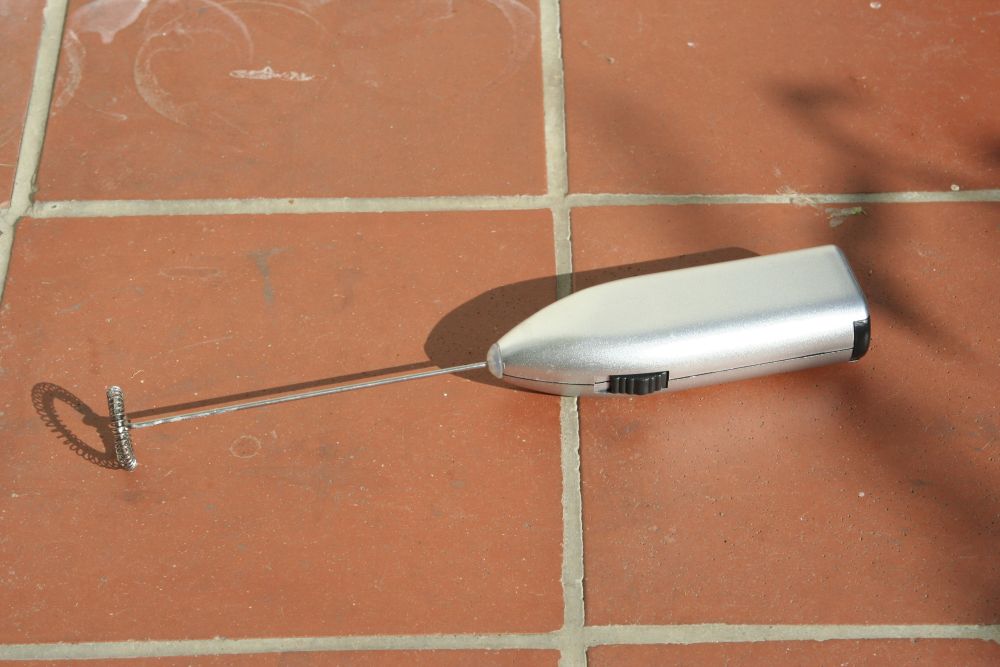
Distinguish a battery-powered handheld whisk from a heated jug-style frother. A whisk does not automatically warm the milk. An electric jug may have different limits for heating and frothing because foam occupies additional space. Read the minimum and maximum markings for the particular function you intend to use, rather than relying only on total container capacity.
Milk choice and texture
Different dairy milks and plant-based drinks may foam differently. A general product photograph cannot predict how your preferred drink will behave. Look at the applications described by the manufacturer and avoid expecting one fixed foam thickness. Texture intended for latte art also differs from a firm layer on hot chocolate.
Check the available settings: warm, cold, less foam or heating alone. More buttons are not necessarily better when you make the same drink every day. One clearly operated function can be more convenient than a broad selection whose distinctions are difficult to understand or reproduce in your usual quantities.
Pouring without extra steps
Check whether milk can be poured directly from the container or requires a separate jug. A handheld whisk works in an existing vessel but still needs suitable depth and room for foam. A heated jug may have more components while keeping the process in one place. Rehearse preparation and pouring with an empty jug; this often reveals an awkward handle or lid before buying.
Cleaning defines convenience
Milk residue needs prompt attention. On an integrated system, identify the tubes, outlets and containers that must be rinsed or removed. An automatic rinse may form part of maintenance without thoroughly cleaning every milk-contact surface by itself. Read which manual steps remain necessary after the machine completes that cycle.
With a separate jug, consider whether the interior is accessible and which parts may enter water or a dishwasher. Do not immerse an electrical base unless explicitly permitted. Include the pouring edge and removable whisk in the comparison. Choose the arrangement that handles your milk quantity and whose cleaning you can consistently complete after the final cup.