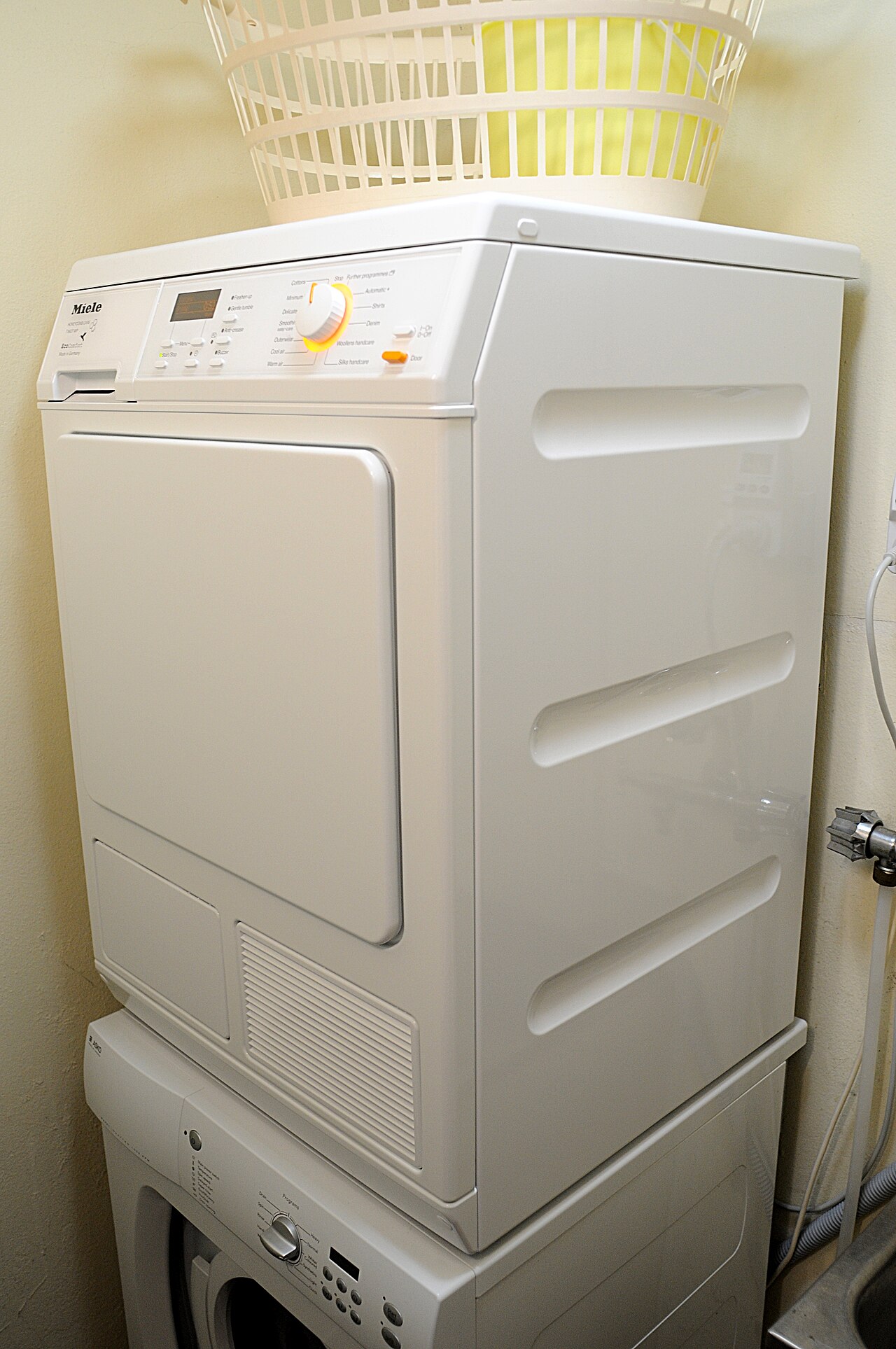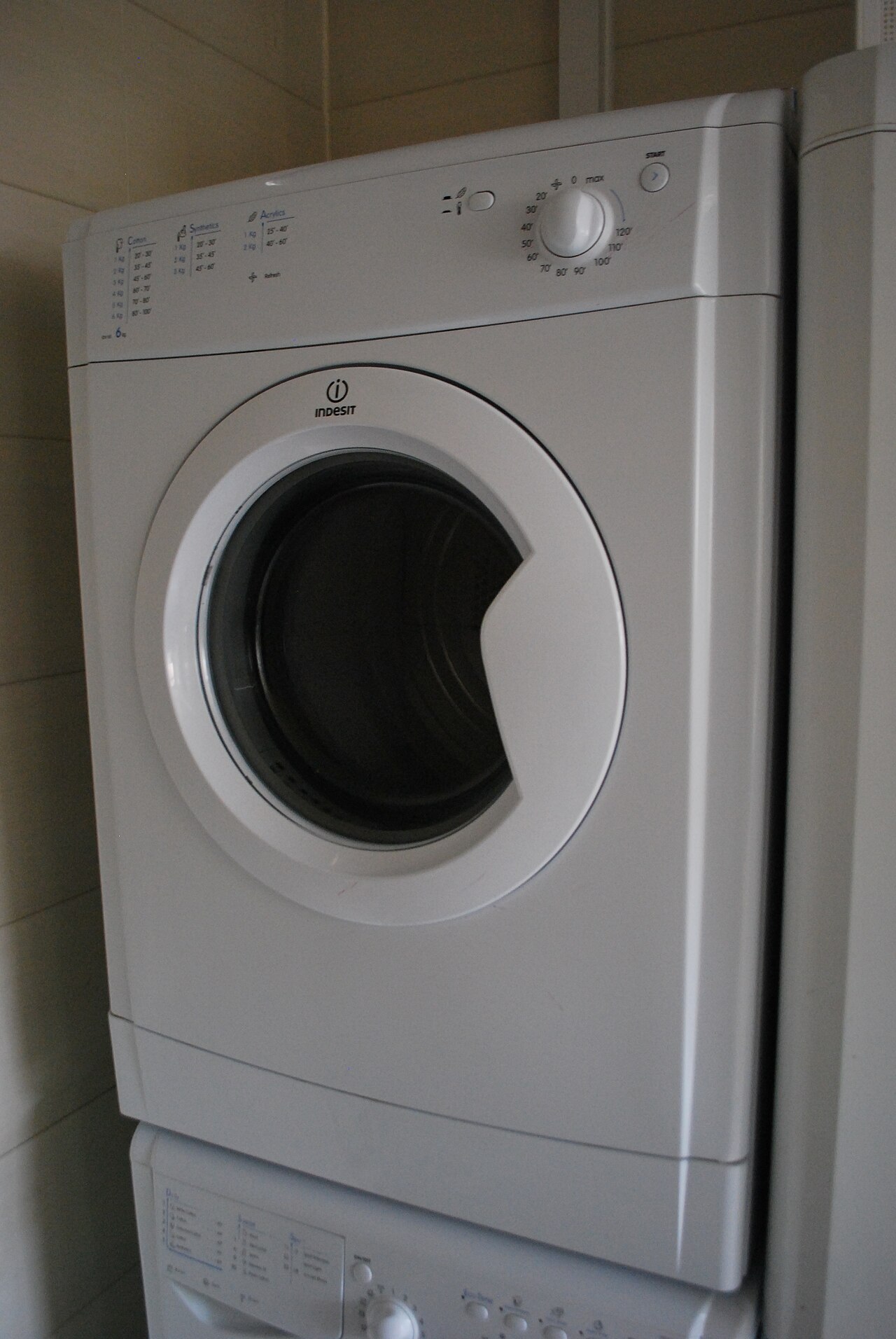
Start with three ordinary loads
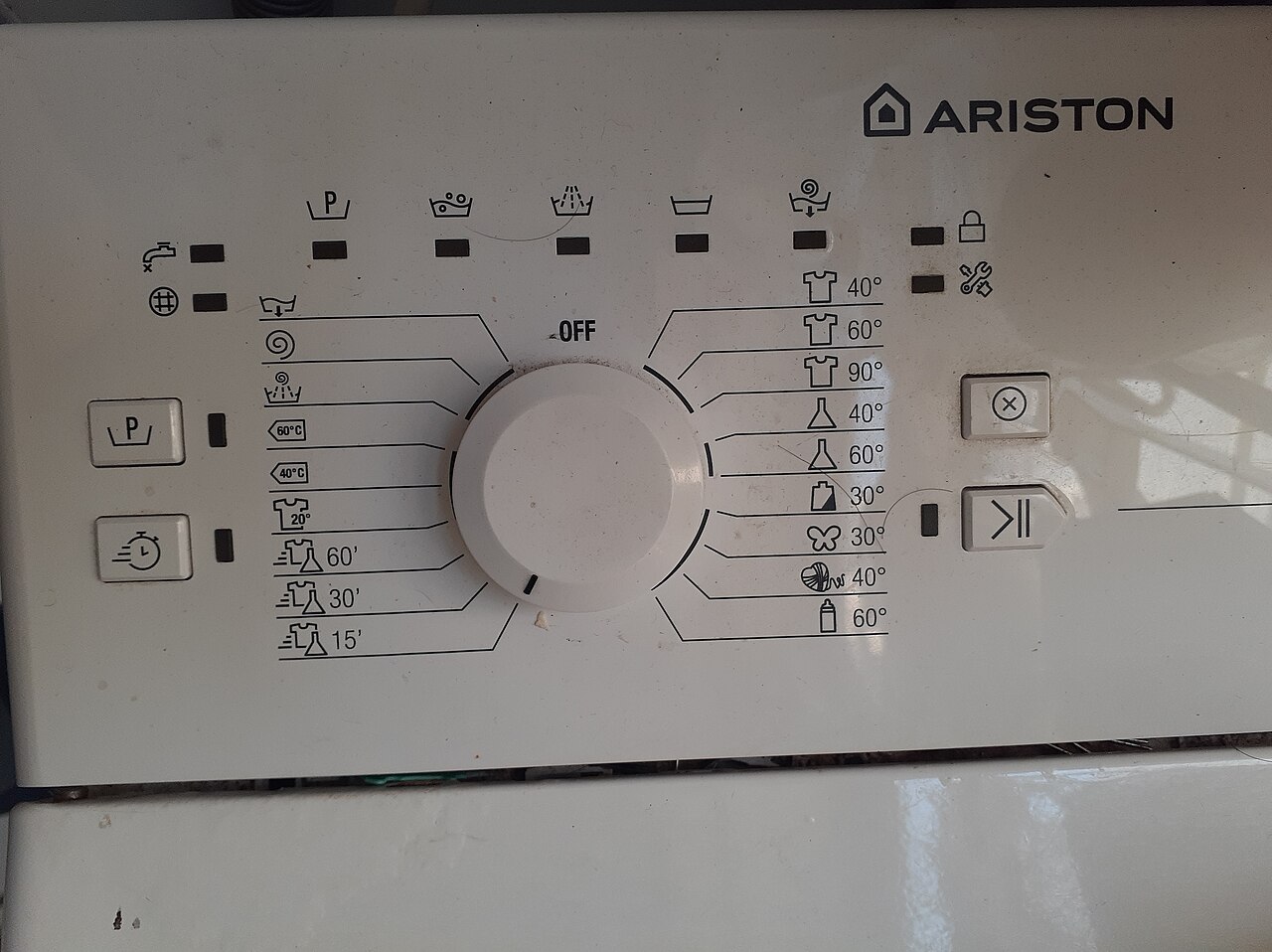
Imagine three laundry baskets that regularly occur in your home. They might contain cottons, sportswear and a small dark-colour load. Find an appropriate programme for each in the instructions. Record permitted load size, temperature choices and spin settings. This says more than a long list of attractive programme names.
Read the garment labels alongside that list. A special name on the machine does not mean every garment associated with the same activity can use it. Sportswear, for example, can contain different fabrics, prints and care requirements. The ability to adjust temperature and spin may matter more than a dedicated symbol on the dial.
Short and economical are different qualities
A quick programme is often intended for a small, lightly soiled load. Check its limits before planning to fill the drum. An option that shortens another programme can also have conditions. Compare the job permitted within the displayed time, rather than simply choosing the smallest number of minutes.
An economical programme may take longer. Time, temperature and mechanical action work together. The energy figure from a defined test programme does not tell you precisely how much every other cycle will consume at home. Use the product information to compare like with like, and the instructions to understand your everyday choices.
Finding a setting again
Check whether a preferred setting can be saved and what happens after switching off. Memory is most useful when you repeatedly choose the same temperature and spin combination. Still inspect the new load before repeating a saved choice. A previous towel wash says nothing about the delicate garments now waiting in the basket.
Also ask whether a programme can be adjusted after starting and what restrictions apply. The instructions provide better guidance than a demonstration of the button alone.
Controls you will actually use
Check that the important functions are available on the machine itself. If an additional cycle can only be started through an app, decide whether that suits you. Ask what remains possible without an internet connection. The appliance needs to accommodate your habits rather than making a familiar task unnecessarily dependent on another device.
Also establish whether delayed operation sets a starting time or a finishing time. That distinction matters when you want a load ready just before you return home. A remaining-time display is useful but may change during the cycle. Build your final shortlist around actual loads and usable controls. Programmes you never select cannot compensate for an awkward everyday setting.