Reusing heat
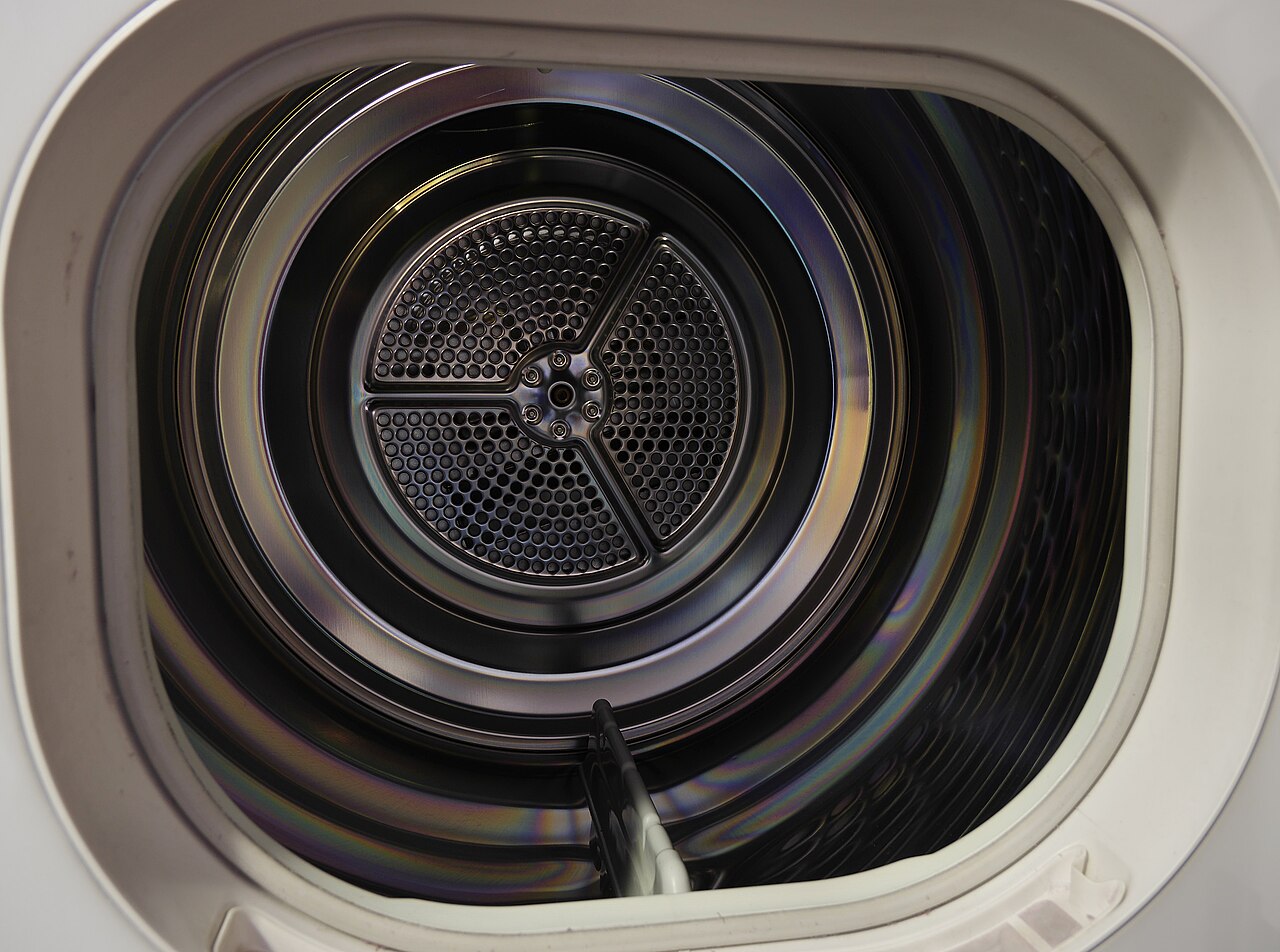
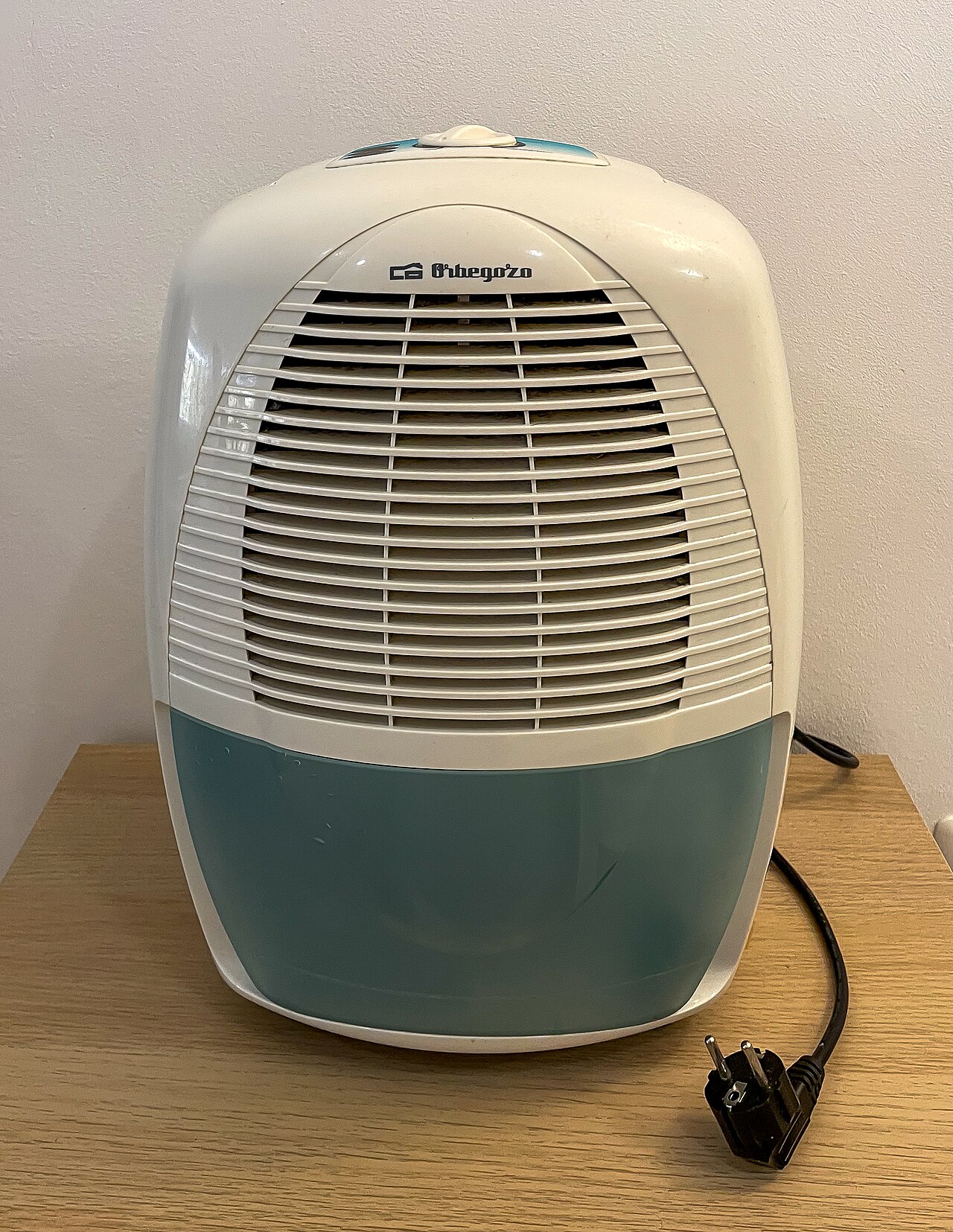
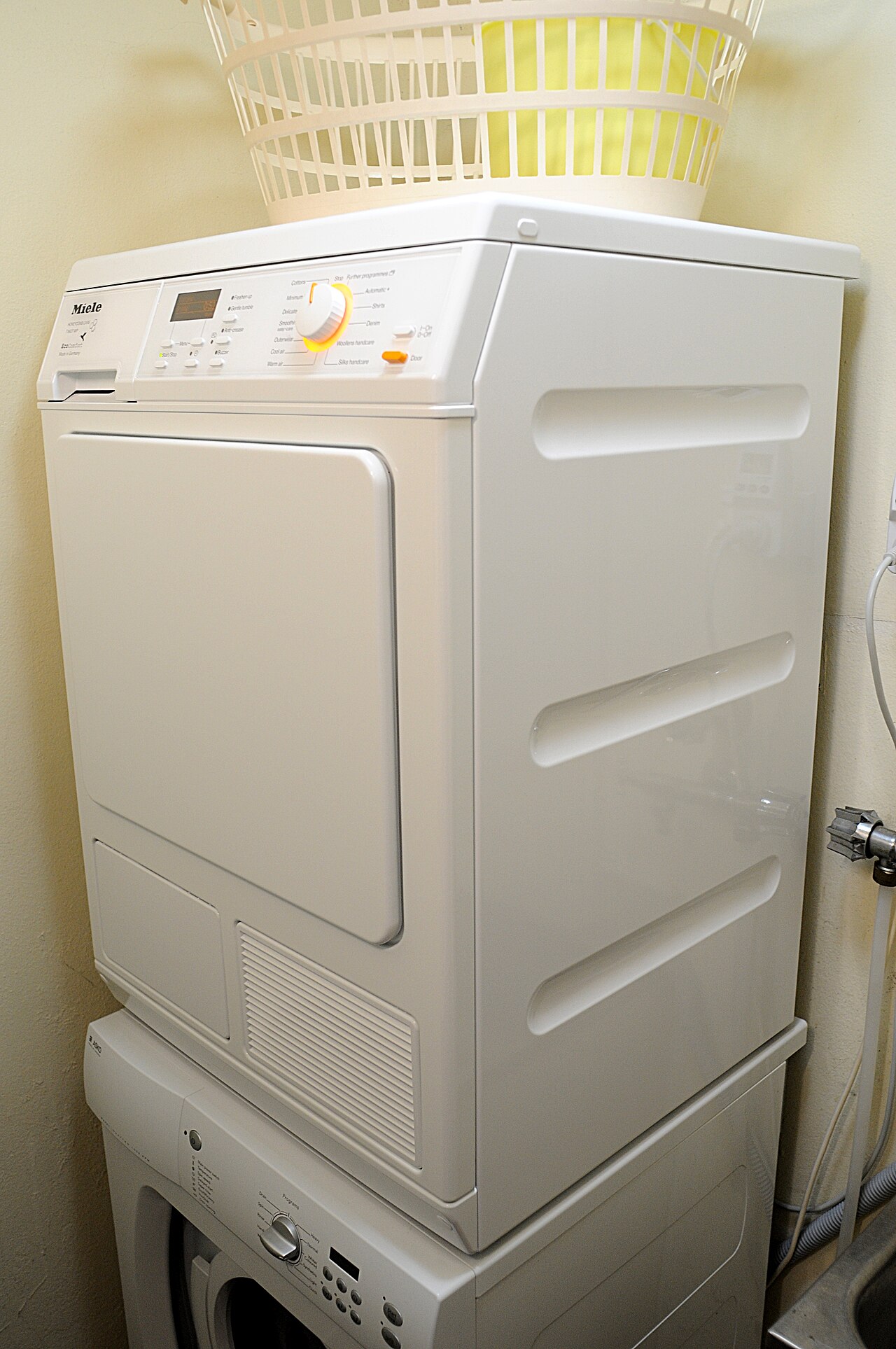
A heat-pump dryer passes warm air through laundry and removes moisture from that air. A heat pump allows heat to be reused within the process. Collected water goes into a container or a suitable drain, depending on the arrangement. It therefore does not require the same outdoor exhaust duct as a traditional vented dryer.
This does not mean it can be pushed into any enclosed cupboard. The machine still needs the specified clearances and operating conditions. Read its installation requirements, especially if the proposed location is a cold garage, small store room or poorly ventilated recess. Equipment intended to operate within stated limits may behave differently outside them.
Temperature and duration belong together
Heat-pump dryers generally operate at lower drying temperatures than many conventional designs. That can be appealing, but treatment must still suit the care label. A garment that cannot be tumble-dried does not become suitable merely because the appliance contains a heat pump.
Lower temperature can accompany a longer cycle. Compare energy consumption, programme information and available time together. Looking only at the shortest demonstration cycle is unhelpful if you mostly process full cotton loads at home. Use equivalent programme data where possible and check the permitted capacity of the settings you expect to select.
Filters are part of the process
Lint needs removing according to the maintenance instructions. Inspect how filters come out and how they should be cleaned. A self-cleaning description may refer to one component rather than making the whole appliance maintenance-free. Find the actual recurring jobs in the manual before counting a product-page promise as saved effort.
Check how the water container empties too. Can you carry it comfortably and remove it at the proposed installation height? A drain hose must be connected as instructed. Continuous drainage reduces tank-emptying work but does not replace filter care, and its routing still has to fit the available space behind the machine.
What to compare between models
Set out suitable capacity, programmes for your fabrics, energy information, access to maintenance points and installation requirements. Check whether the door opens sufficiently and whether a reversible hinge is genuinely offered on that version. These details affect everyday use even when two machines employ the same drying technology.
A heat pump describes a way of drying, not a complete buying decision. An economical model with awkwardly positioned filters may be unsuitable for your space. Conversely, a longer programme may be unimportant when the laundry can run while you do something else. Your actual loads and installation position, supported by the model's instructions, provide the strongest basis for the choice.