What actually needs a place?
A wardrobe organiser only solves a problem once you know which clothes keep getting in the way. Empty one shelf and separate clothes in regular use, seasonal items and things that belong elsewhere. The aim is not a perfectly folded photograph. You want to see what is there and remove one jumper without rebuilding the whole pile.
Measure an ordinary stack folded in your usual way. Wide jumpers need different compartments from underwear. Hang long dresses and coats on their hangers and measure the clear drop they require. An extra hanging basket can take away that space unexpectedly. A shelf with a deep front edge may also stop a drawer from opening fully.
Measure the opening, not the cabinet
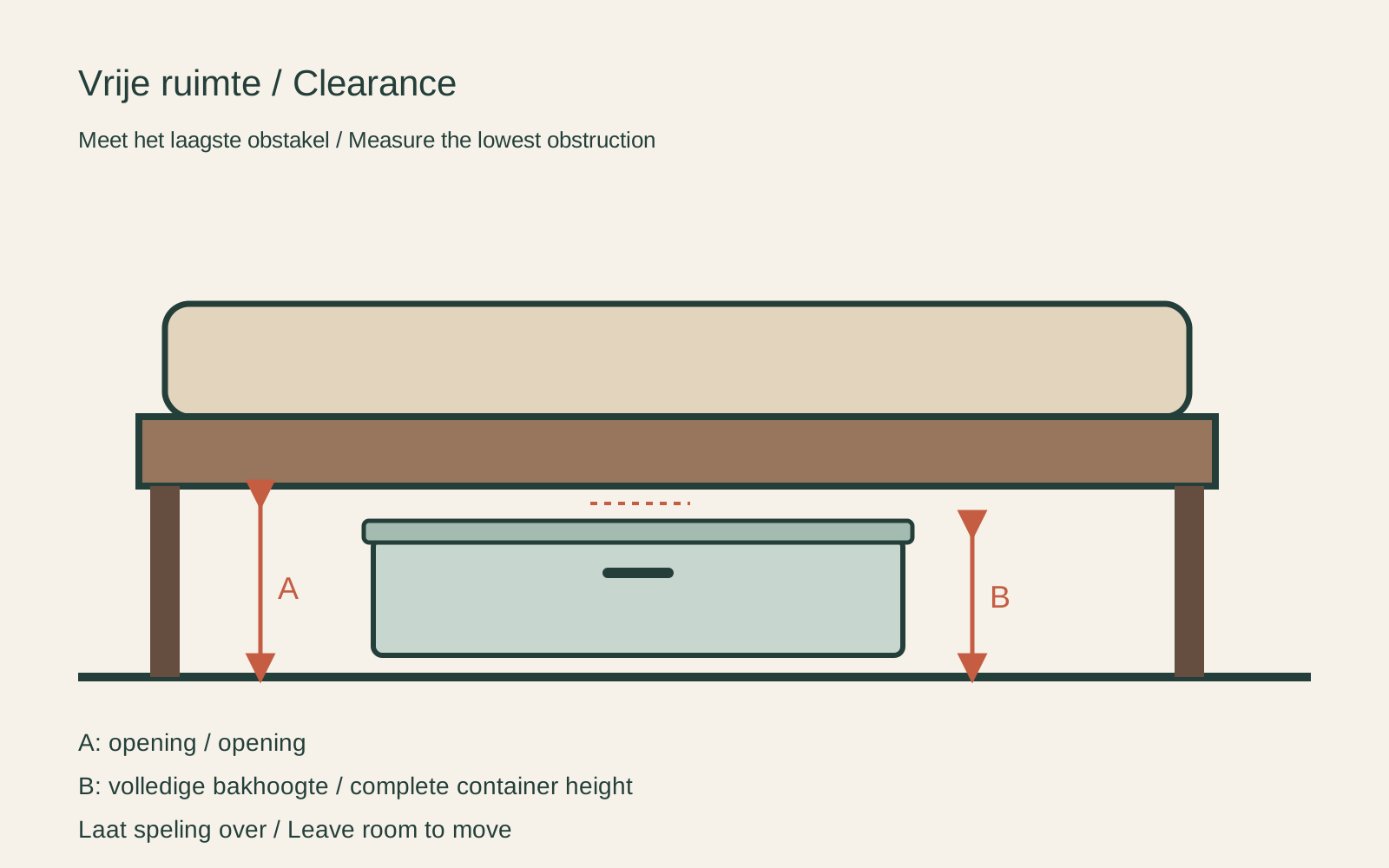
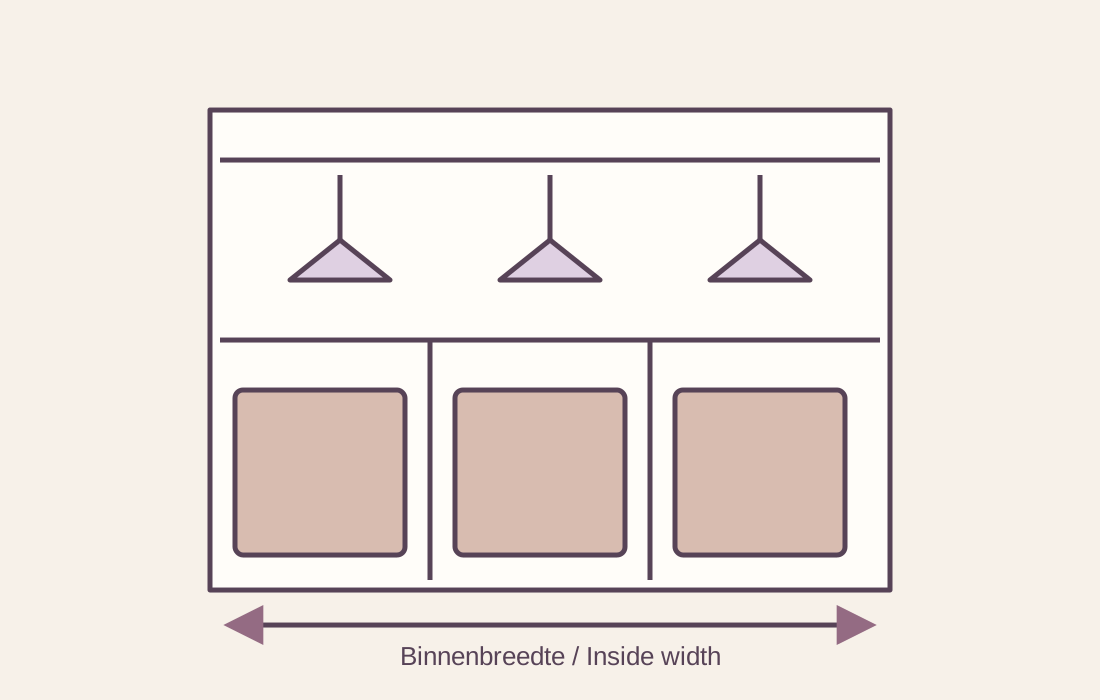
Use the internal dimensions of the compartment, rather than the wardrobe's outside width. Hinges, door tracks and existing rails all restrict usable space. For a pull-out basket, the opening between the doors matters too. Sketch the proposed arrangement with real measurements, then compare it with the organiser's external dimensions.
Leave room above a loose box for your hand. A container that fits tightly beneath a shelf but must be removed completely to access anything soon becomes awkward for daily socks. The same arrangement might work for clothing used twice a year. Try the movement with a cardboard box before ordering several matching containers.
Soft, rigid or adjustable
Fabric compartments are light and can often be stored flat, but may not keep their shape when partly empty. Rigid boxes are easier to stack when designed for that purpose. Wire baskets reveal their contents, although small accessories can fall through the gaps. For hanging organisers, check the permitted load on both the rail and the attachment.
An adjustable divider only works within its stated range. Find out whether it clamps onto a shelf, needs screws or simply stands between items. Use a fixing suited to the cabinet material. A thin back panel is not automatically a load-bearing attachment point, even when a screw can be driven through it.
Start with a single compartment
Buy for the most frequently used shelf first. Fill it as you would on an ordinary laundry day and check whether everything goes back without creating new piles. That experience tells you which sizes will work elsewhere. Keep the product code when an organiser fits well; a similar name on a later order may describe a different size.