The door still needs to open
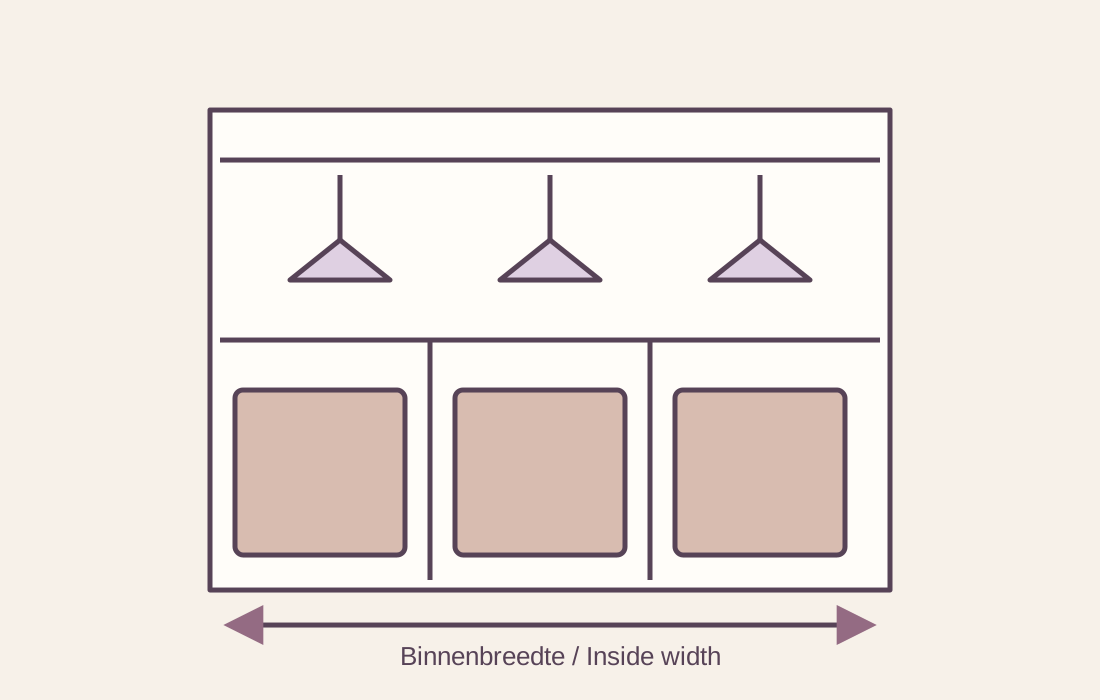
A shoe rack looks small in a product photograph, but a hallway also contains doors, radiators and coats. Measure the clear walking route with the front door fully open. Include the skirting board: a cabinet that appears to fit against the wall at the top may stand farther out at floor level. Mark its outside dimensions with removable tape.
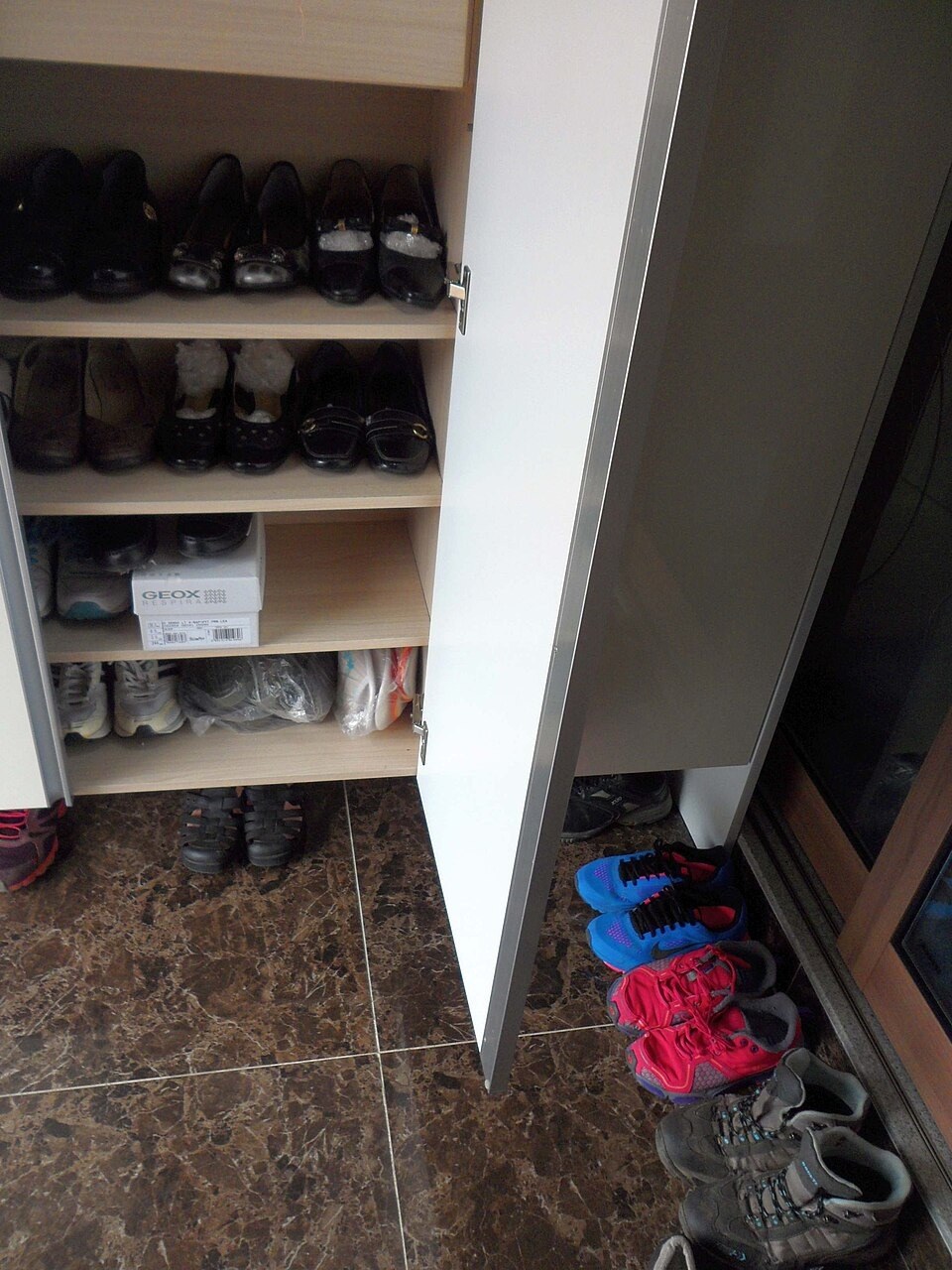
Now consider someone actually putting shoes on. Is there room to bend down without blocking the passage? Can a pushchair or shopping bag pass? The depth of an open rack is not necessarily its depth in use, either. Large shoes may project beyond the front edge of the shelves.
Count pairs, then measure the largest
A stated number of pairs is an estimate, not a guarantee for your collection. Walking boots, tall boots and wide trainers occupy different space from thin sandals. Measure the largest pair you use regularly, including height. Adjustable shelves help when the collection changes with the season.
With a tilting shoe cabinet, find out what shoe length fits inside and how far the compartment swings forward. A shallow closed cabinet is less helpful if its open door fills the hallway. Read the installation instructions; tall or tilting furniture may require wall attachment. Choose fixings appropriate to the actual wall rather than assuming any supplied plug will suit it.
Keep wet shoes separate
A closed cupboard hides clutter, but is not the place to put thoroughly wet shoes immediately. Let them dry as directed for their materials. A removable tray can catch water and mud, provided you also empty, clean and dry the tray. Check that the furniture base is suited to the expected conditions.
Open racks provide visibility and air around footwear. Their drawback is that grit can drop onto the shelf below. Choose a design whose surfaces you can reach with a cloth or vacuum without pulling the entire unit out of the hallway each time.
Store the daily selection near the entrance
The hallway does not need to hold every shoe in the household. Keeping only a working selection there preserves the route and makes pairs easier to find. Put cleaning brushes and spare laces elsewhere or in a small removable compartment. A larger shoe cabinet should not become the automatic answer to objects that really need another home.