Measure the opening and the shelf
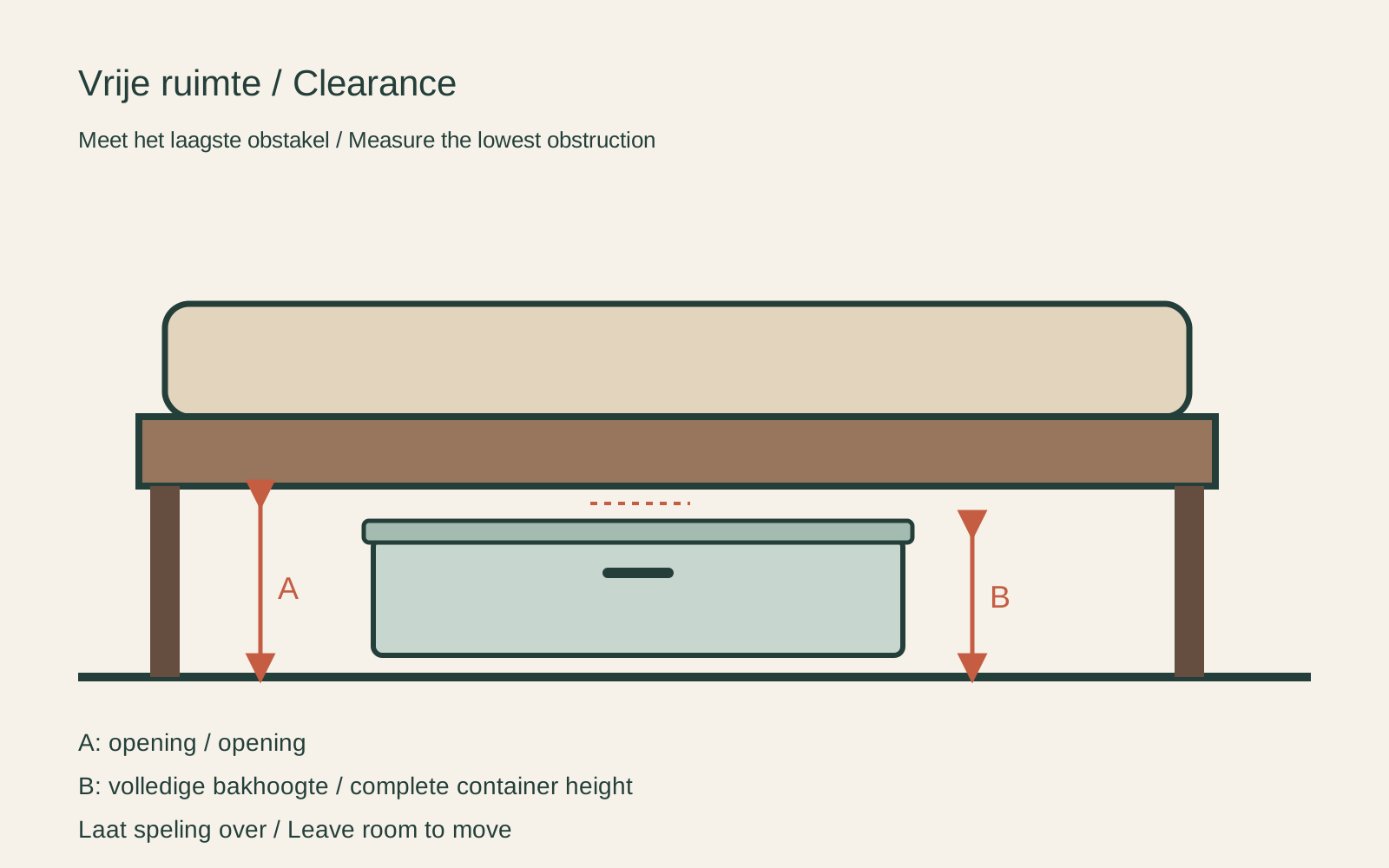
A box must pass through the cupboard opening as well as sit on the shelf. Door hinges, frames and lips can reduce the usable entrance. Measure the narrowest route, then the shelf's width, depth and height. Leave room to grip the box rather than filling every millimetre with plastic.
The listed dimensions often include the widest rim or lid. Inside space can be smaller, especially when the walls taper. If you are storing a specific object, compare its dimensions with the internal base and height, not merely the box's litre capacity. Two boxes with equal volume can accommodate very different shapes.
Decide what you need to see
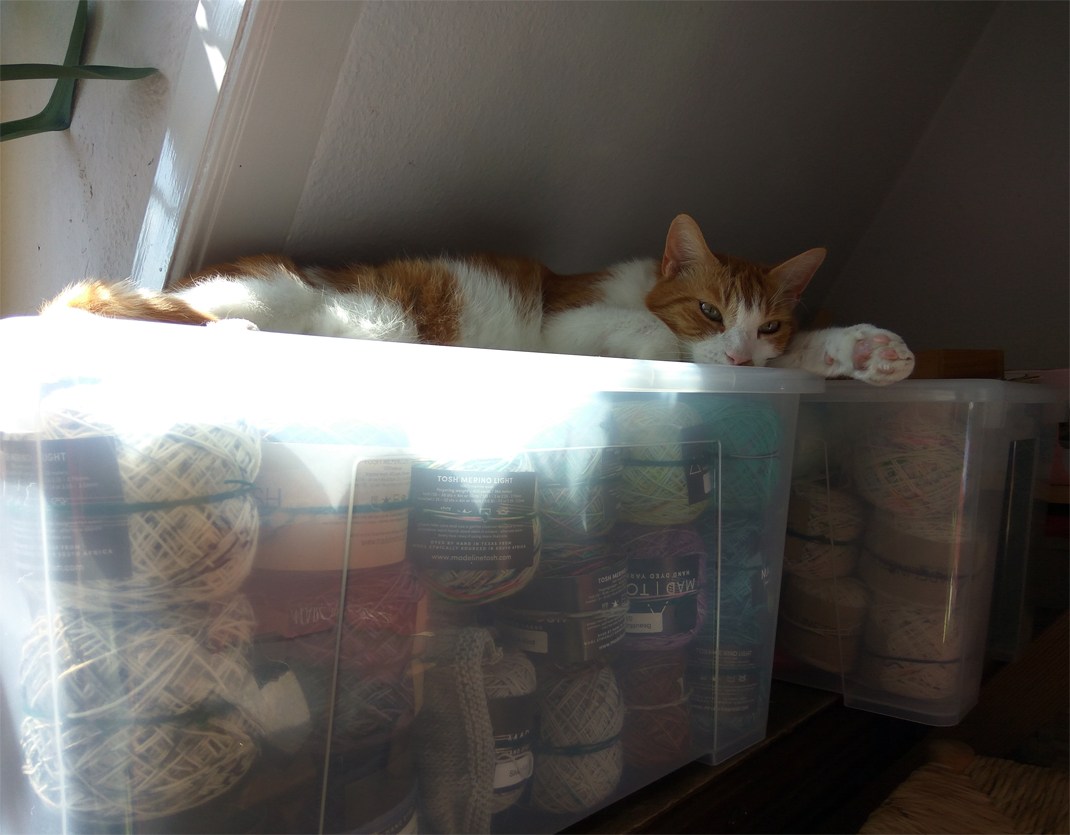
Transparent walls help identify contents without opening the lid, but a crowded mixture can still be difficult to understand. A label on the side facing you may work better than relying on visibility alone. Opaque boxes can hide visual clutter while making consistent labelling more important.
Think about how often the contents are used. Frequently accessed items should not require removing several boxes first. A front opening, shallow tray or smaller container may suit daily supplies better than a large lidded box. Choose storage around access, not just the neat appearance of a stack.
Treat stacking as a specified feature
Check whether the manufacturer permits stacking and what limits apply. Similar-looking lids do not establish that a stack will be stable under load. Keep heavier contents where they can be handled safely and do not exceed the shelf's own capacity. The box and furniture have separate limits.
Include the weight of a full container in your decision. A large box of light textiles and the same box of books are very different loads. Smaller units can make carrying easier even when they use slightly more material. Handles need to suit the load and leave enough space for your fingers.
Try one before buying a wall of boxes
Test a sample with representative contents on the actual shelf. Check whether the lid opens, the door closes and the box can be removed without tilting everything. This simple trial can reveal a tapered base or projecting handle that dimensions alone did not make obvious.
Once the arrangement works, record the exact model and dimensions. Products with similar names can change shape or lid fit. A system that remains accessible is more useful than a perfectly matched row that makes every ordinary item difficult to retrieve.