Start with the task on the desk
A desk lamp needs to illuminate a particular part of the work surface. That might be a notebook, keyboard or small craft project. Put the object where you normally use it and consider which direction the light should come from. For handwriting, placing the lamp opposite your writing hand can help reduce the shadow cast by that hand.
Screen work adds reflections to the decision. A lamp that makes a bright patch on the desk may also appear as a white spot in a glossy monitor. Look at the proposed position from your usual seated posture. Inspecting the lamp while standing beside it tells you little about glare during work.
How far does the arm reach?
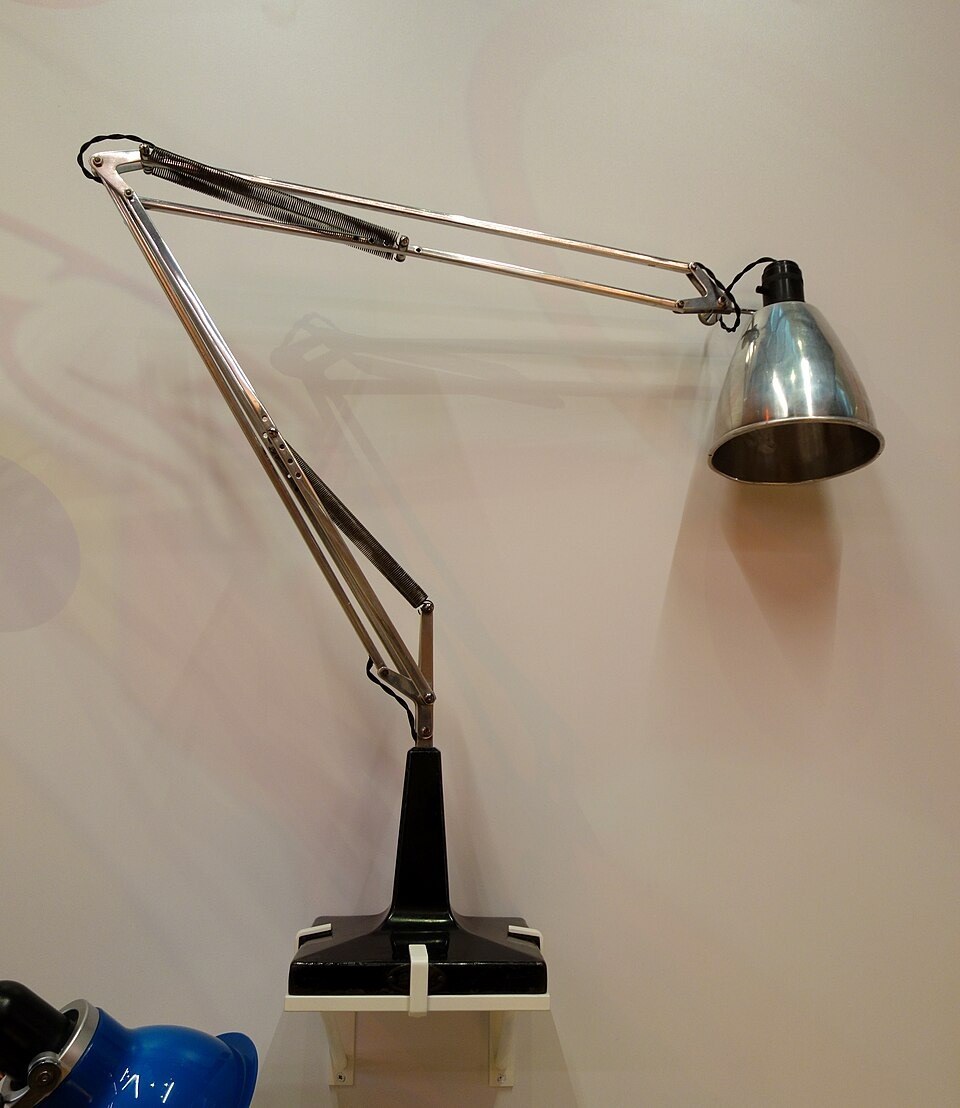
An adjustable arm only gives useful freedom when the base or clamp can sit in a suitable place. Measure the distance from that position to your work. Check maximum height and how far the head tilts. A long arm that cannot clear the monitor may mostly illuminate the back of the screen.
For a clamp, the permitted desktop thickness matters. A bevelled edge, drawer or metal frame may obstruct the fixing. Do not clamp onto a vulnerable surface without the relevant manufacturer's approval. A freestanding base needs more desk space but is easier to move when the work area changes.
Light source and controls
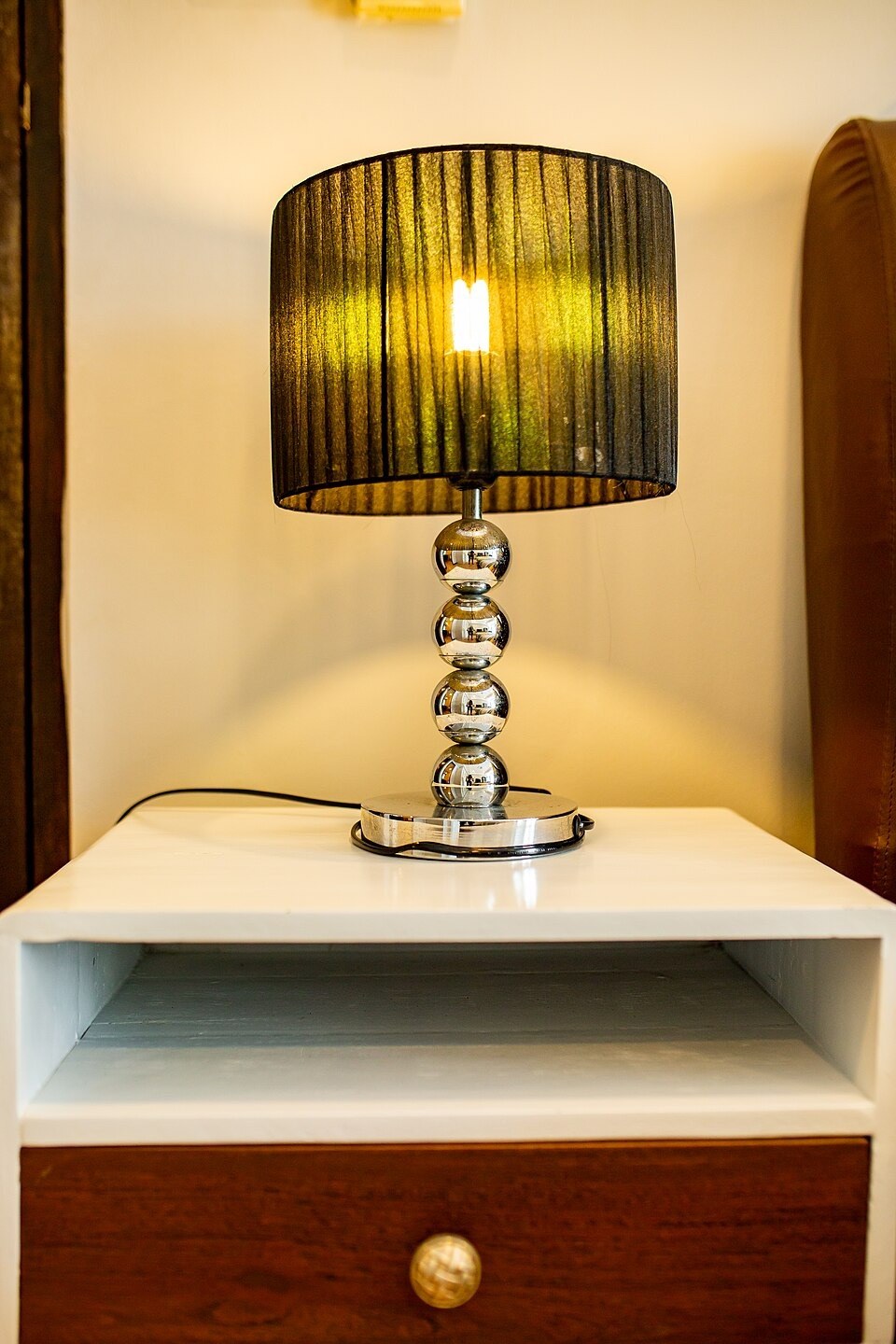
A shade that conceals the light source can reduce direct glare. This is different from dimming: a visible LED can remain distracting even at a reduced setting. Consider both the head design and the adjustment range. Check whether the lowest setting works for evening use rather than judging only maximum brightness.
Find out whether the light source is replaceable and how the lamp can be maintained later. With a replaceable bulb, the fitting, physical dimensions and permitted load must match. For an integrated LED module, service and replacement options belong in the product documentation. A USB socket does not tell you how much useful light reaches the page.
A short check at home
During the first check, move the lamp a few centimetres and compare the shadows. Try it with the monitor on and the room's normal lighting in use. Route the cable so it neither crosses the working area nor pulls tightly on the base. Keep the packaging until the arm, beam and controls have proved workable on your own desk.