First, the bulb has to fit
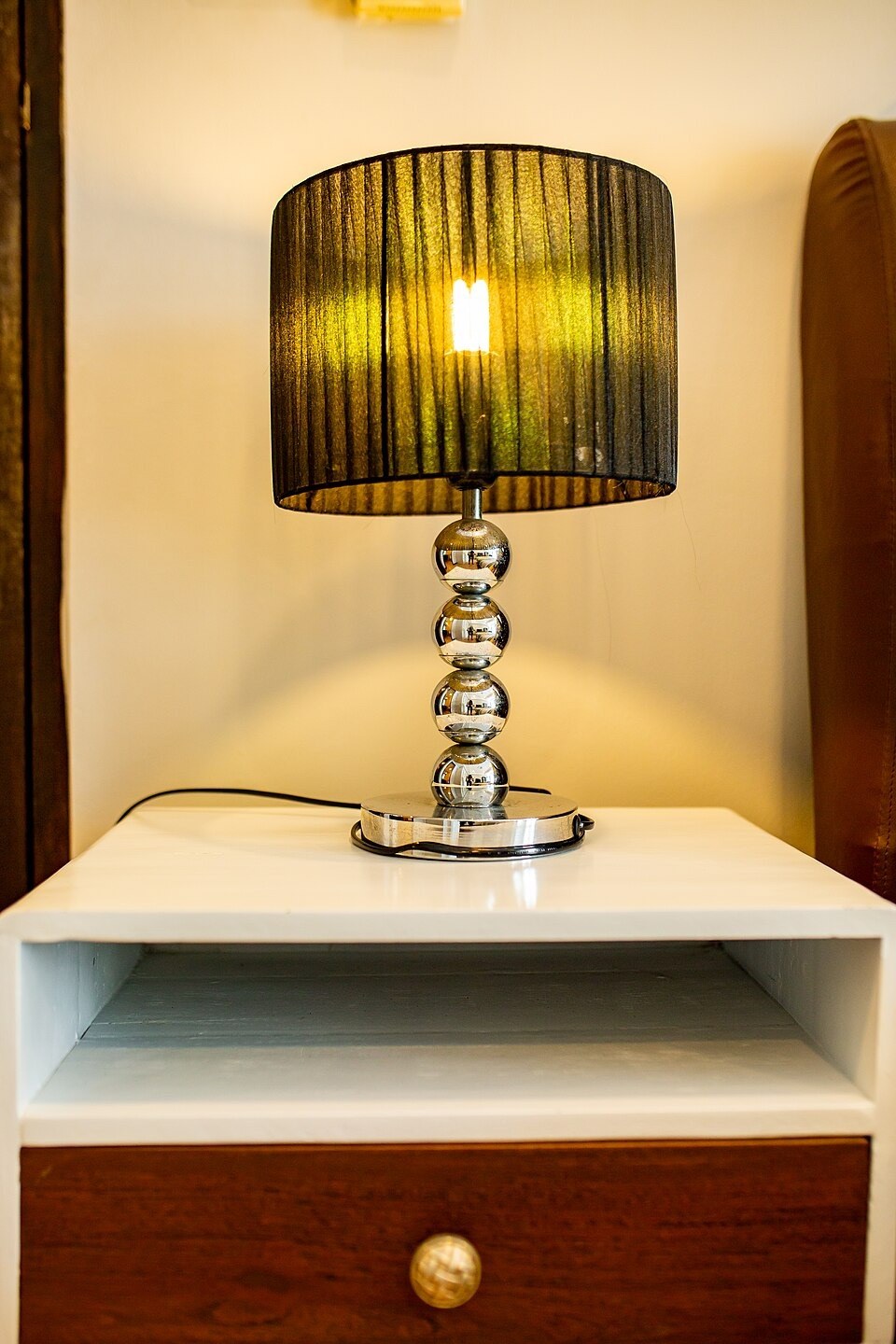
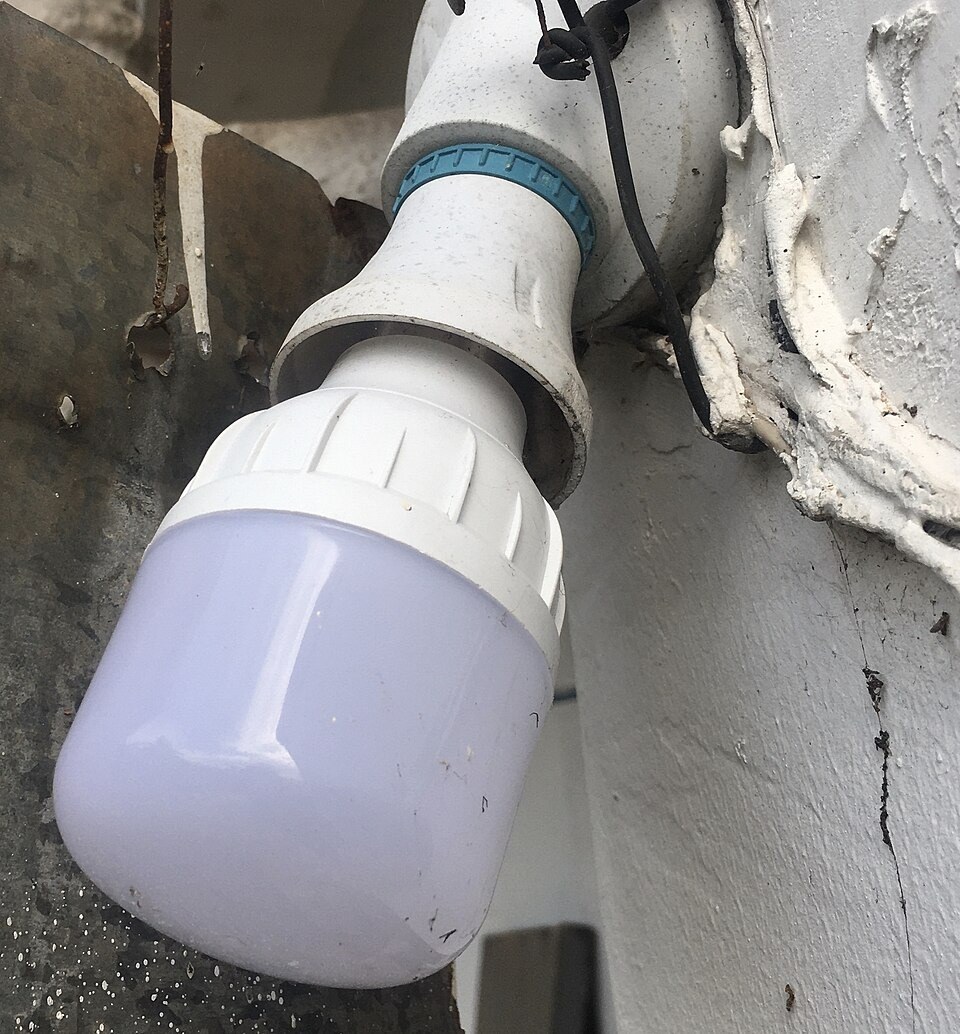
Copy the fitting designation from the luminaire or consult its manual. Screw and push-fit bases are not interchangeable, and both groups contain different sizes. Also check the bulb's physical length and diameter. Having the correct electrical base does not mean that a wide globe will fit beneath every shade.
Read the luminaire's maximum load and other restrictions. The light source must also suit its surroundings and any enclosed cover. Do not rely solely on the shape of the old bulb, especially if you do not know whether it was correctly chosen in the first place. Turn off power and allow a used bulb to cool before removal.
Separate brightness from colour
Lumens describe light output. Watts describe power consumption. You therefore cannot reliably compare different lighting technologies for equal brightness using wattage alone. Start with the light output you need, then consider consumption and suitability for the fitting.
Kelvin describes the colour temperature of white light. A lower number generally looks warmer and a higher number cooler. That is not a quality ranking. Warm light may suit a reading corner, while you may prefer a different appearance at a worktable. View new bulbs alongside the lighting that will remain in the room; small differences are especially noticeable side by side.
Dimming involves a combination
An ordinary LED bulb is not automatically dimmable. Even a dimmable version needs to work with the existing dimmer. Some combinations flicker, hum or adjust over only a limited range. Look for compatibility information from the bulb and dimmer manufacturers before replacing a whole room's lighting.
Smart bulbs may involve another control arrangement. Check whether they need a hub, app or particular wireless connection, and what happens when someone turns off the wall switch. Consider other people in the house who simply want to turn on a light without finding a phone.
Compare one example first
If uncertain, buy one bulb rather than immediately ordering a large pack. Inspect it in the intended position during the evening with the shade fitted. Look for reflections, visible points of light and colour differences from neighbouring lamps. Keep the complete product code when a choice works. Matching only the fitting and wattage will not necessarily reproduce the same lighting appearance later.