Look from the bed
The height of the bedside table and your reading position determine where the light needs to fall. Measure more than the empty space on the table. Sit as you normally read and hold a book at its usual distance. A low lamp may shine beneath the pages, while a tall open shade may expose the light source directly to your eyes.
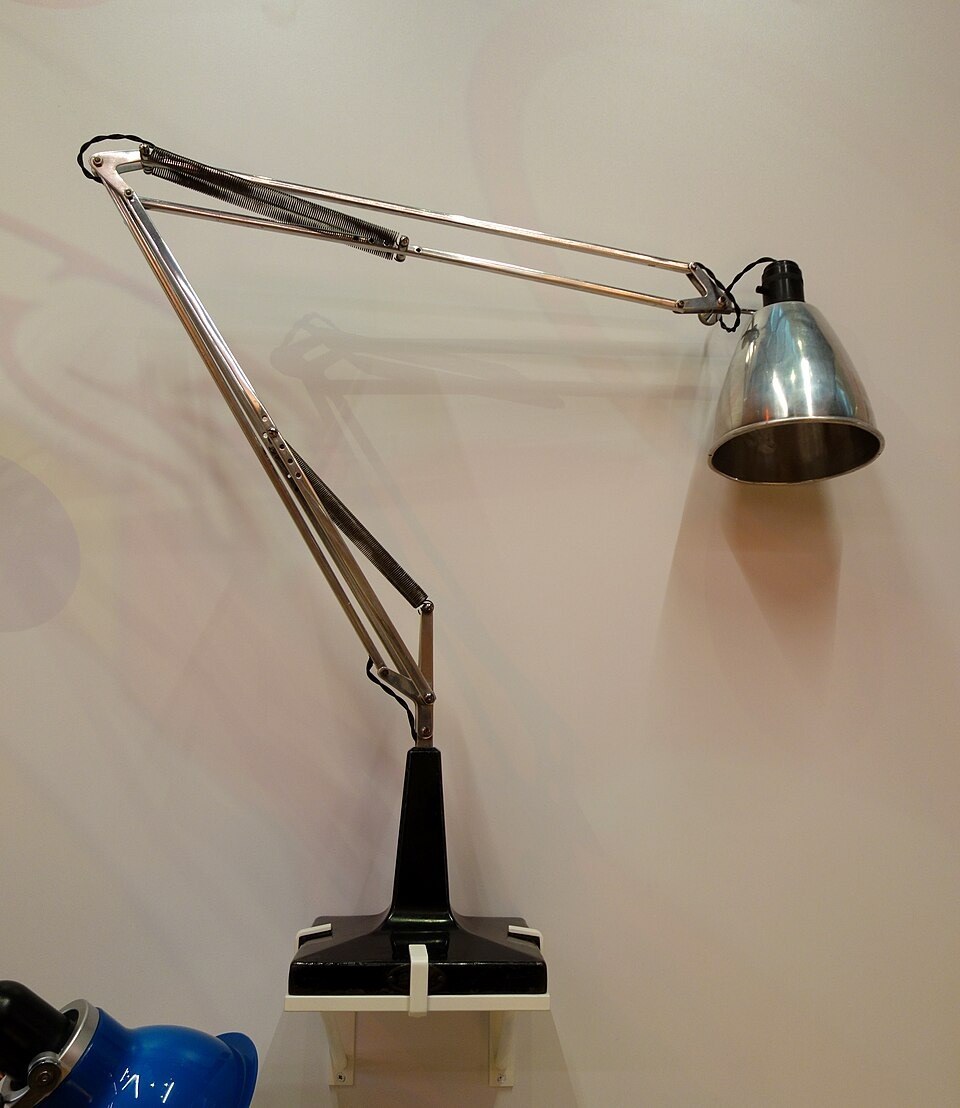
An adjustable reading arm can bring the beam closer to the book. Check that you can move it without shifting the entire base. A narrow base is not automatically helpful if it tips during every adjustment. For wall mounting, the chosen position needs to remain reachable both sitting and lying down.
Two people may need different light
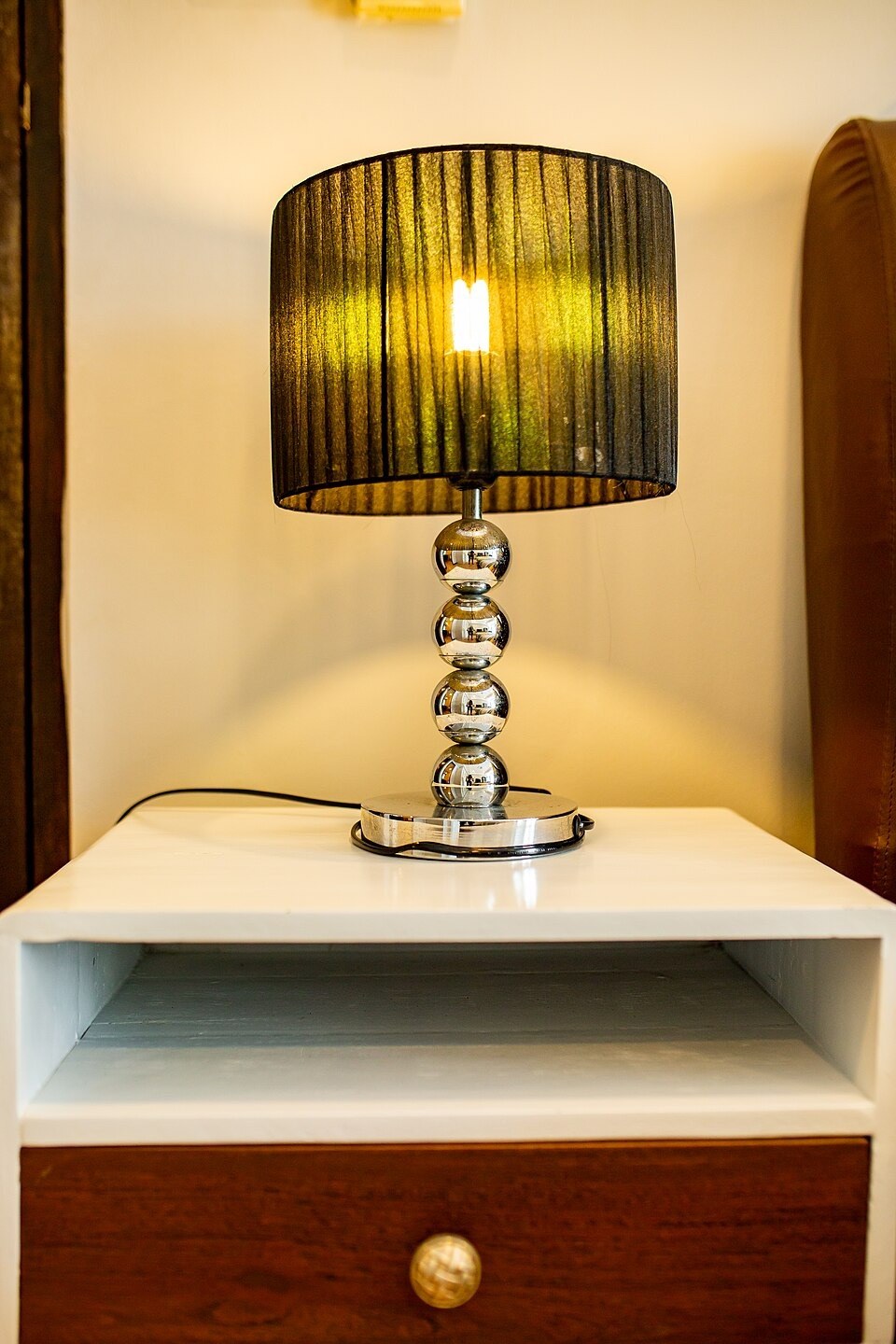
Beside a shared bed, a broad translucent shade may light much of the room. A directional head makes it easier to aim at one reading position, although it cannot guarantee complete separation. Look at how far the beam extends beyond the book and whether the other person can see directly into the source.
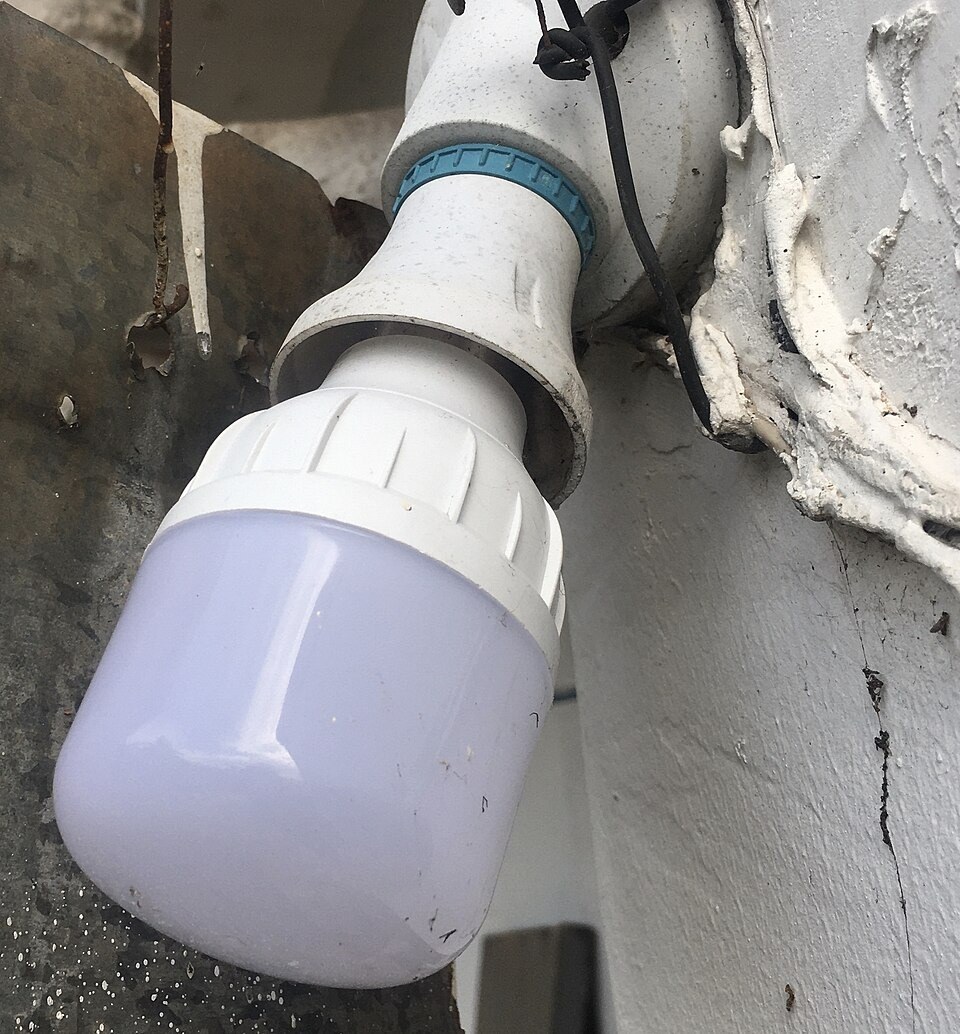
Dimming provides more options, but inspect the lowest useful setting as well. A lamp that only gives readable light at maximum output may be poorly positioned. Move the head before increasing brightness. When buying a separate dimmable bulb, confirm that the bulb and dimmer are compatible with each other.
The switch is part of the decision
A cable switch behind the table is difficult to find. A button on the base may work better, provided a glass or phone does not cover it. Touch controls can be convenient in darkness, but try how easily a setting changes accidentally when you put something down nearby.
Check what happens after power is interrupted: does the lamp remember its setting, stay off or return at full brightness? Products differ. With a rechargeable model, consider where charging happens and whether the cable obstructs everyday movement. Read the stated runtime at the brightness you expect to use, rather than looking only at the longest advertised figure.
Leave room around the lamp
Allow space for the objects that actually live on the table. Keep cables out of walking routes and do not cover the lamp with textiles. Follow the manufacturer's placement and clearance instructions. A lamp that fits only in an empty styled corner is not necessarily suited to a bedside table used every evening.