What needs connecting?
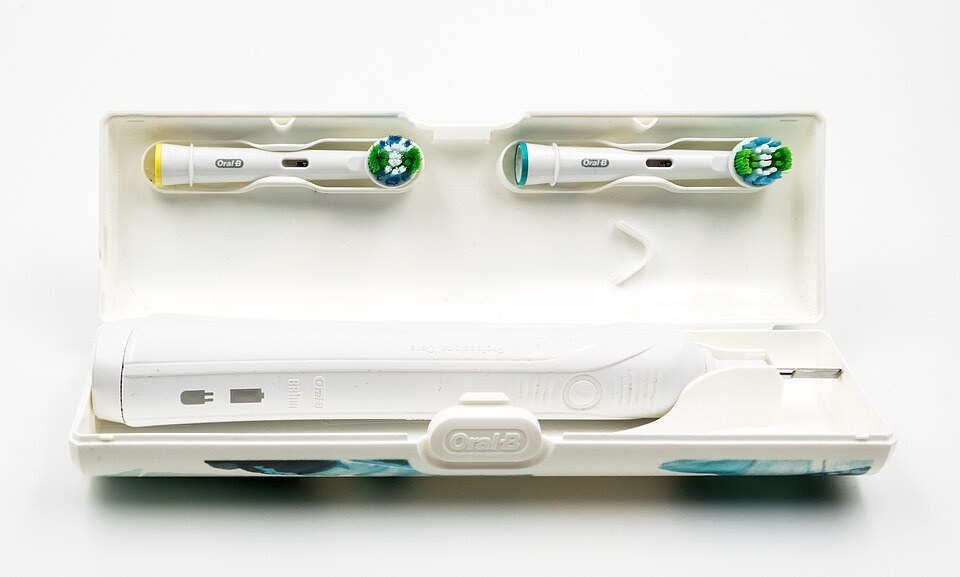
A grooming device may use a separate adapter, USB cable, stand or charging travel case. Begin with the component list for the exact version. A photograph showing a cable does not mean a power adapter is included. Accessories in an offer may differ from those supplied with an almost identical model.
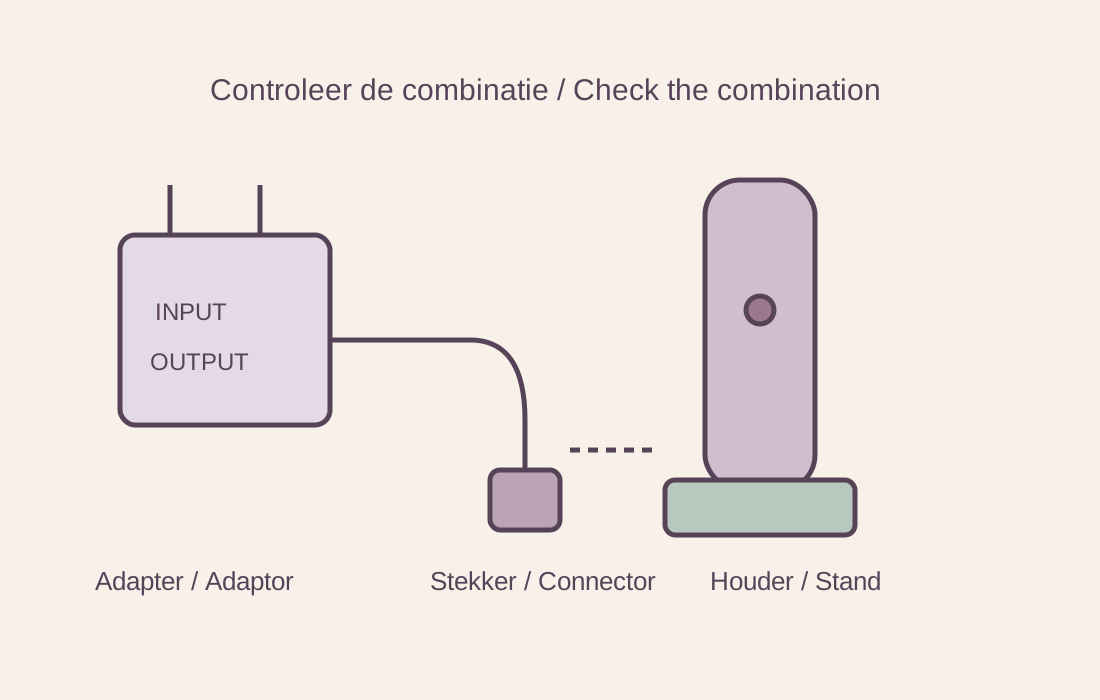
Sketch the path from socket to device. Mark whether each component is supplied and available separately later. This reveals whether a low-priced handle needs an additional purchase. It also prevents mistaking a stand for a self-contained charger when it still requires a particular power supply behind it.
Connector shape is only one check
Use the supply and cable approved for the model. A connector's shape does not establish matching electrical characteristics. Even an adapter bearing the same brand may belong to another family. Search by model and specified power requirements rather than trying assorted chargers at random.
USB charging likewise has documented requirements. Check which adapter and cable are supported. A port is not permission to use damaged leads or unidentified converters. Philips charging guidance emphasises dry conditions and an undamaged original cable, among other requirements. Follow the directions for your own device as well.
Where can the arrangement stand?
A fixed stand has a footprint and needs stable support. Measure its space including the cable projecting behind it. A handle may fit below a shelf yet leave too little height to lift it out of the charger. Include that removal movement when planning the location.
Choose a suitable dry place away from splashes and keep connections dry. The handle's water resistance does not automatically extend to accessories. A cupboard that pinches the cable when closed is not a suitable solution. Follow placement instructions and do not let a charging device disappear among textiles or loose objects.
Separate runtime from charging time
A long advertised runtime may be convenient, but examine the assumptions behind it. A number of shaves or days assumes a frequency of use. Your routine may differ. Consider how clearly the device indicates low charge so that you do not depend entirely on the maximum advertised figure.
A quick-charge feature may provide enough energy for a short task without filling the battery. Check what is promised and for how much operation. Do not assume the device works while charging; some models specifically prevent that. This matters if you often remember to charge only immediately before use.
Keep a shared drawer understandable
Give similar chargers identifiable labels without covering ventilation, safety information or contacts. Keep the model reference with the cable. Do not automatically assign an old supply to a new appliance even where their connectors look alike.
Check charging arrangements before travelling and save the specifications offline. If something fails, the aim is a compatible replacement rather than a plug that happens to fit. Stop using damaged or abnormally hot components and have the cause assessed. An organised charging area makes such changes easier to notice before they are overlooked among other equipment.