A feature should make a visible difference
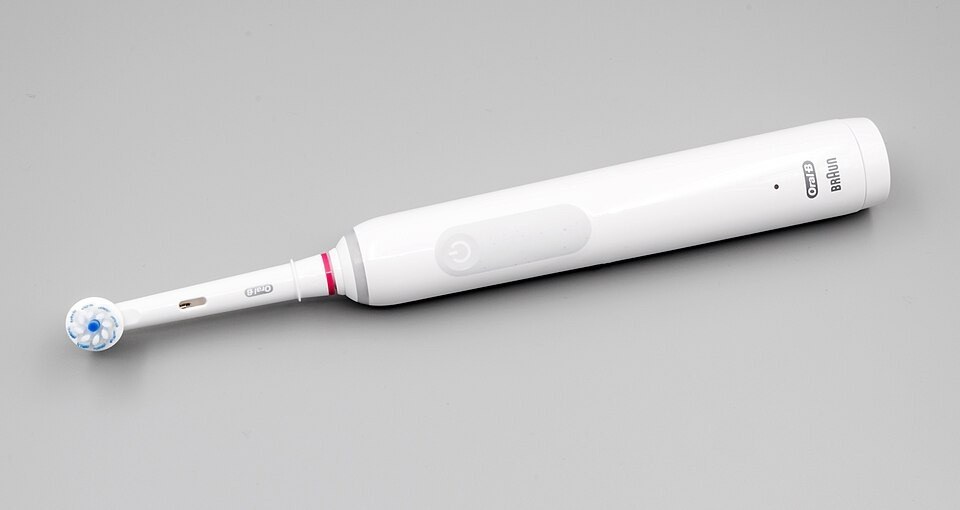
A long list of brushing modes does not automatically make a toothbrush easier to use. Ask what each feature changes on an ordinary morning. Can you find the intended mode without consulting a manual? Does it remember the setting? Is the button identifiable when the handle is wet? Such details shape everyday operation.
A timer provides a time cue, while a pressure sensor responds to something different. Treat them as separate functions. Check how feedback is delivered: light, vibration, sound or a combination. A light beneath your hand may be difficult to see. More signals do not necessarily make the message clearer.
The app is another decision
Find out whether the handle works independently or whether certain settings require an app. Read which phone versions are supported and what data the app collects. For someone who does not want a phone in the bathroom, local controls may matter more than extensive charts.
An app feature is also not personal advice from a dental professional. Judge the purchase by its described functions and your intended use, without treating a score or animation as an assessment of your teeth. Follow individual guidance from your dentist where relevant rather than assuming an electronic display replaces it.
What comes in the box?
Compare the supplied compatible heads, charger and any travel case. A case may simply protect the handle or also charge it; the name does not always make that clear. If a USB cable is supplied, check whether an appropriate power adapter is included and what input it requires.
Include the availability and cost of replacement heads. Two handles with similar features may use different attachments. If several people share a system, their individual heads should remain distinguishable and be used and stored as directed. The number of supplied heads is not the only consideration.
Make a short comparison
For two or three models, write down which controls, feedback and charging arrangements you need. Record missing information as an unanswered question instead of assuming a feature is present. Choose against those points. A model with fewer modes may fit a straightforward routine better without requiring an overall product ranking.