Two constructions, no fixed winner
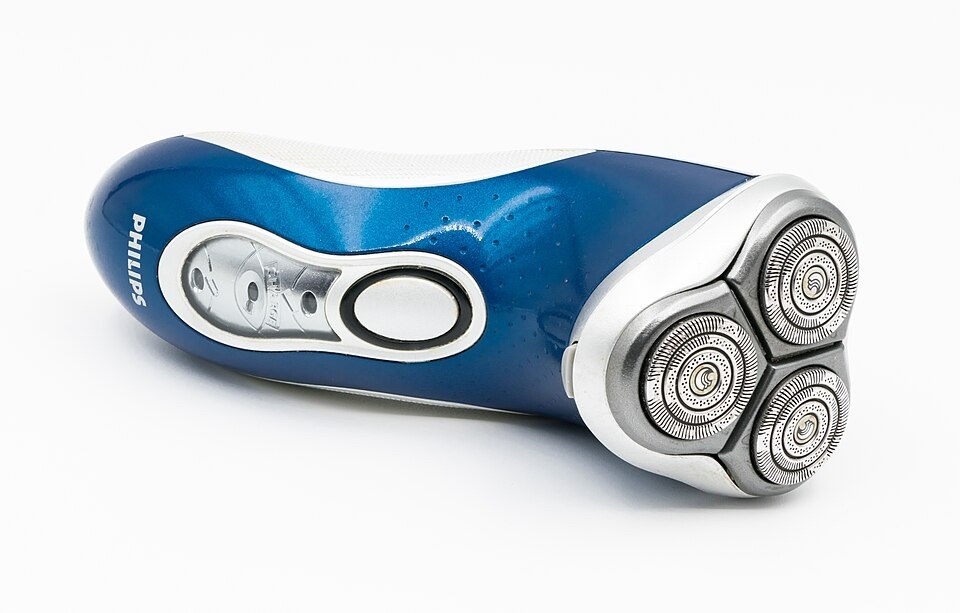
A foil shaver has moving cutters beneath a thin perforated foil. A rotary design uses circular shaving elements. Those different head shapes affect how the device is moved around contours. This explains the distinction better than suggesting that one system must suit everyone.
Start with the job: regular close shaving, occasional tidying or shaping the edges of a beard. A shaver and a beard trimmer do not perform the same function. Maintaining a particular hair length generally calls for an appropriate trimmer and combs; a shaving head is intended for a different finish.
Inspect the whole head
The number of visible elements is not an independent measure of results. Consider overall width, movement and whether a fixed position is available for more detailed work. A broad head may be convenient on larger areas but demands more care around small spaces. Notice how clearly you can see the device's edge.
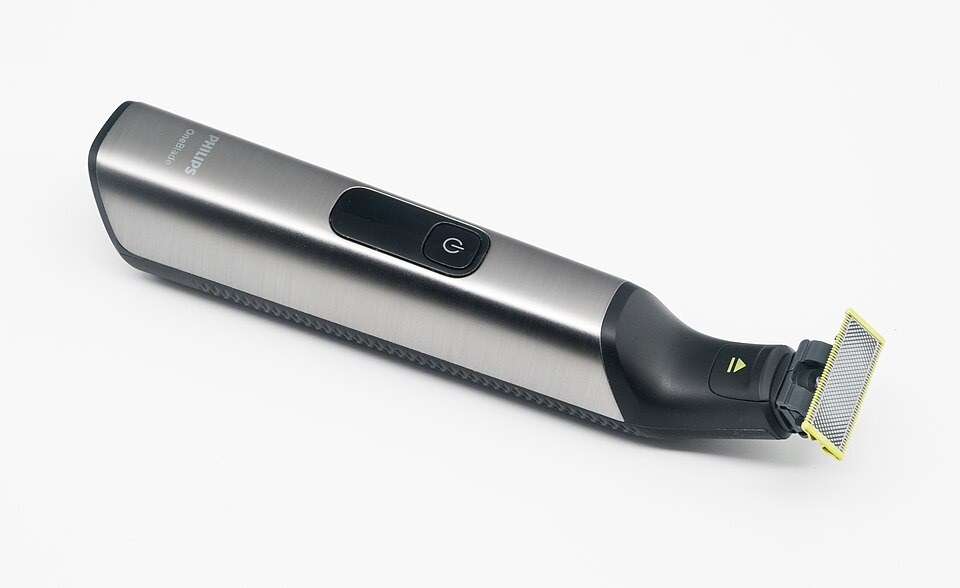
Check whether a detail trimmer is built in or supplied as a separate attachment. A separate piece needs changing and somewhere to live. With a pop-up trimmer, accessibility matters. The additional function is only valuable when it suits the intended task and is easy to find and use.
Handle and daily routine
A shop display can reveal weight, balance and button position, but cannot tell you how shaving will feel on your own skin. Notice whether normal handling presses a control accidentally. A broad grip may be awkward for smaller hands, while weight becomes more noticeable during longer use.
Consider when you shave and where charging happens. If you want foam or shower use, the exact model must permit it. Rinse-cleanable does not automatically mean approved for wet shaving. Power adapters and charging stations have their own limitations even where the handle itself is water-resistant.
Maintenance varies by version
Find out how the head opens, which components can be cleaned and how they need to dry. An automatic station can take over some steps but needs space and often consumable supplies. Compare a station bundle with a handle-only version by the full contents and recurring costs.
Before purchase, look up replacement foils or heads using the exact model number. A series name is not sufficient to establish compatibility. Record the part number and see whether the supplier offers the complete assembly or only one component. Do not mix old and new loose parts together during maintenance.
Choose without inventing certainty
Specifications can explain connections, functions and maintenance, but cannot precisely predict your personal experience. User reports may help identify recurring concrete issues, such as an awkward cleaning hinge, without making one enthusiastic review general proof. Check applicable return conditions before using a personal-care product.
Build a short list of requirements you can verify: manageable controls, the intended use mode, obtainable parts and a cleaning routine you can follow. If both systems meet those requirements, the largest collection of marketing phrases need not decide the outcome. Keep claims about individual skin reactions separate from demonstrable product properties.