Start with intended use
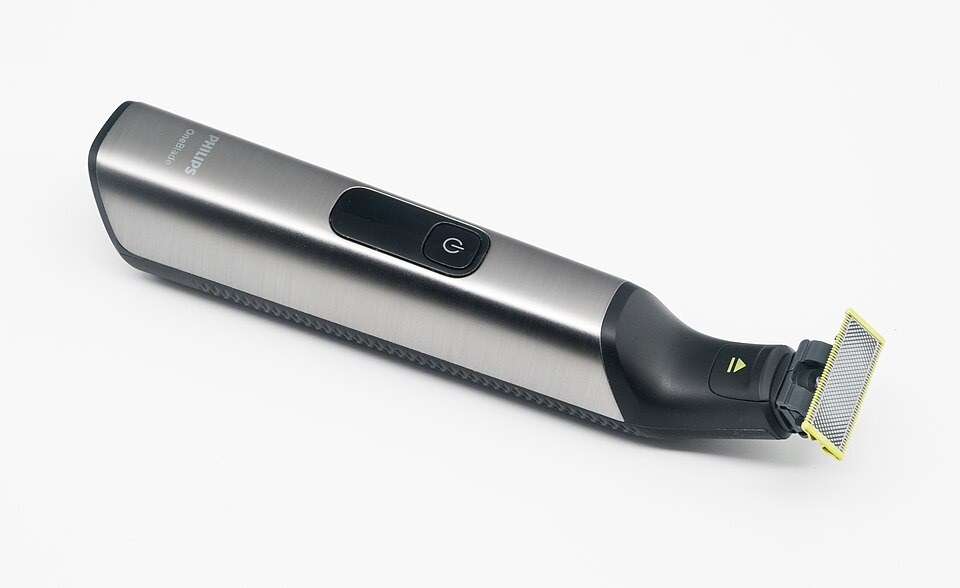
Detail trimmers vary considerably. An attachment for beard edges performs a different job from a nose or eyebrow trimmer. Read the manufacturer's explicit intended-use description rather than judging only the cutting head's shape. A small device is not automatically suitable for every sensitive or awkward area.
Compare which heads and protective combs are actually included. Product photographs may show optional pieces. For an eyebrow comb, stated length and fitting method matter; for a detail head, visibility of its edge is particularly relevant. Follow the manual's application limits rather than improvising use on other areas.
Grip and visibility
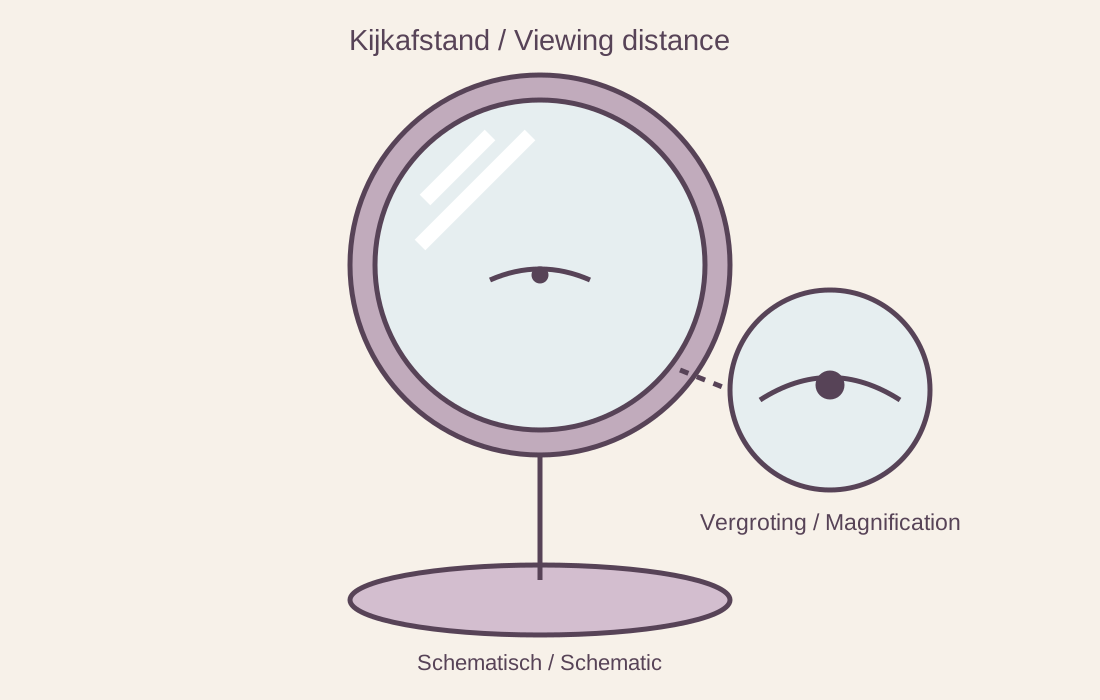
A compact handle still needs to be secure in the hand. Check the switch position and whether your fingers obscure the head. A built-in light can illuminate an area but does not replace a suitable mirror and stable setup. A mirror requiring an awkward viewing angle may make the task harder than a slightly larger device would.
Consider its power arrangement too. With a replaceable battery, the battery type matters; with a rechargeable unit, look at charge indication and the required supply. A travel cap may protect the head without locking the power switch. Check whether the device could activate unexpectedly inside a bag.
Keep small parts together
Tiny combs are easily lost. Before buying, look for replacement heads or combs under the model code. Philips support pages, for example, list individual codes for detail accessories. Such a parts list is more useful than merely counting the total accessories printed on the box.
Finally, read which pieces may be rinsed and how they must dry. A cleaning brush is for maintenance, not for clearing an obstruction while the device runs. Switch off and follow the removal instructions. Keep parts identifiable and do not use a damaged head. This keeps the buying decision focused on controlled detail work rather than fitting the largest number of claimed functions into one small handle.