Which space needs heat?
Describe the room and how long you occupy it. Brief warmth beside a desk is different from maintaining a room temperature for extended periods. First consider whether the existing heating controls can address the problem. An additional appliance requires a power connection, clearances and a daily operating routine.
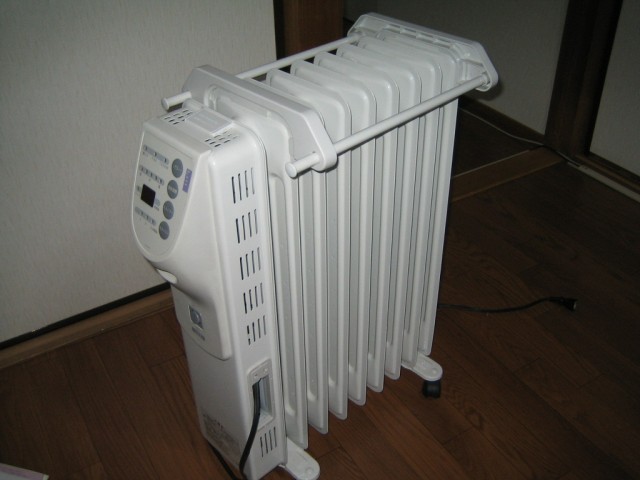
Power describes electrical input at a particular setting, not how comfortably heat spreads around your arrangement. A fan heater moves air; an oil-filled radiator releases heat differently and responds differently. Compare that behaviour with your seated position rather than assuming one type is universally best for every room or every period of use.
The position must be suitable
Read the required distance from curtains, furniture and other materials. Do not cover a heater with clothes or use it as a drying rack. Give it a stable position away from passing feet and keep air openings unobstructed. Bathroom use requires specific suitability and installation conditions; never infer these from a compact enclosure.
Follow electrical connection instructions. An arbitrary extension strip is not an automatic answer when the socket is too far away. Inspect the lead and plug, and stop using equipment showing damage or a suspicious smell. Tip-over and overheat protection are additional safeguards, not reasons to accept unsuitable placement or blocked airflow.
Controls and running costs
Examine the thermostat and whether its setting is easy to understand. A timer can be convenient but does not alter supervision and operating requirements. Follow the instructions about switching off when leaving or sleeping. Do not create an automatic routine that conflicts with those directions merely because scheduling is offered.
For a cost example, multiply power in kilowatts by operating hours and your own electricity rate. A thermostat may cycle the heater off, so maximum power multiplied by elapsed time is not an exact prediction. Treat the calculation as a scenario rather than a promised monthly bill. A suitable choice combines permitted placement, understandable controls and a clearly defined heating need.