Where is the weight?
A cordless cleaner can look light in a specification table yet feel tiring in use. With the motor beside your hand, you support that mass whenever you lift the tube. A lower-mounted motor changes how the cleaner behaves on the floor, although the body may then be less convenient beneath low furniture.
Compare the complete configuration you intend to use. The weight of a bare handheld unit tells you little about the total with a battery, wand and powered floorhead fitted. If a specification is unclear, ask which parts it includes. A substantial floorhead also changes the balance as soon as it leaves the floor, even when its wheels support it comfortably during ordinary cleaning.
Rehearse your normal movements
Where a shop permits handling, try more than pushing straight ahead. Pull the cleaner backwards and steer around an imaginary chair leg. Briefly hold it in the position you would use on stairs or a high shelf. There is no need for a prolonged lifting exercise to notice whether a handle sits awkwardly against your palm.
Pay attention to the controls while doing this. Must you keep a trigger pressed, or does one press keep the motor running? Can you change power without repositioning your hand? Different hand sizes can produce very different impressions of the same cleaner. A manufacturer's ergonomic description cannot answer those questions for everyone.
A short comparison in the shop
Handle two candidates consecutively with equivalent parts fitted. If one display unit has no battery, ask for a comparable configuration. Notice where you apply force: around the thumb, underneath the palm or through the forearm. A handle that repeatedly makes you change grip is a specific disadvantage even when the total weight is lower.
Compare a low-level and a high-level task separately. During floor cleaning, wheels carry part of the load. Reaching cobwebs near the top of a wall changes your grip and makes the distance between motor and hand more significant. You need not use the same configuration for both jobs. A short attachment may suit the high area while the wand remains useful for floors.
Write one sentence about each candidate, such as easy steering but awkward removal from the charger. This prevents a broad impression like lightweight from overshadowing other differences. Check return conditions if trying the machine at home forms part of your decision; do not assume a shop purchase automatically includes an unrestricted home trial.
The configuration for stairs
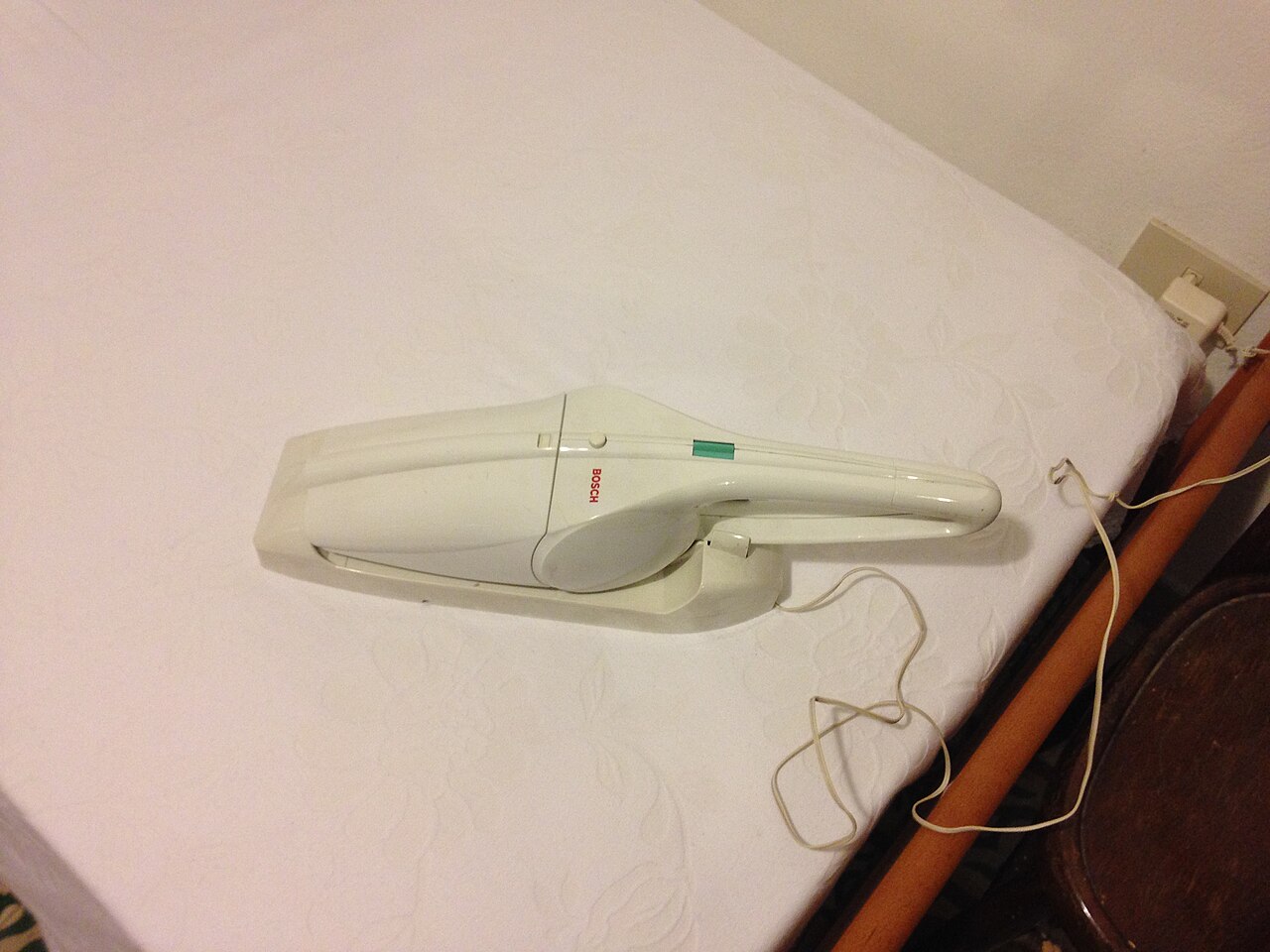
For a staircase, compare the hand unit with the attachment you would actually fit. You may not need the long tube at all. Check how the connections release and whether you can reach the catch while supporting the machine. Low weight is less helpful if every attachment change requires an awkward juggling act.
Finally, consider where the cleaner waits while you move furniture. Some stick designs cannot stand unsupported. A secure temporary resting place is useful if your routine involves frequent pauses. Judge carrying, steering, controls and storage together; the smallest number on the box need not identify the machine that best suits your route through the house.