Start with emptying
The difference between a bagged vacuum and a bagless model becomes most obvious when the collected dirt has to come out. With a bagged machine, you remove the filled bag from its holder and install another. A bagless machine has a reusable container to empty. Look at those actions before deciding: the lid position, release mechanism and clearance above your bin may affect everyday use more than the colour of the machine.
Ask to remove the empty container in a shop, or consult the manual for the exact model. Can you operate the release without lifting the entire cleaner? Does the bottom open far enough? A large capacity sounds convenient, but a heavy container held over a small kitchen bin will not suit every person or home.
Bags and filters belong in the comparison
Bagless does not mean filter-free. Some filters can be washed and others need replacement; the manual determines which treatment is allowed. A rinsed filter must dry completely before refitting where the manufacturer requires it. Check whether you have somewhere to leave parts to dry and whether a spare filter is available.
For a bagged machine, find the exact bag reference. Compare the cost per bag and check which filters, if any, come in a pack. Do not estimate an annual cost using an invented replacement interval: the amount and type of dirt collected vary between households. Record the pack price instead, and use your existing cleaner to understand how frequently you actually replace supplies.
A bag alone does not tell you how effectively the complete cleaner contains fine dust. Seals, filtration and the emptying process also matter. A general HEPA label should not be treated as proof of the performance of the entire machine. If dust containment is a particular requirement, look for documentation and test conditions covering the complete model.
Read the capacity in context
Look for the maximum-fill mark on a reusable container rather than judging capacity from the size of its outer shell. Internal parts occupy some of that space. Check the route from the collection chamber to the bin as well: an opening that appears generous in a photograph can still be awkward when you are holding the container at an angle. The cleaning instructions should explain how to reach material that remains inside; do not improvise by striking a plastic housing against the bin.
With a bagged machine, read how its particular full-bag indicator is meant to be checked. Do not assume that a change in suction always means the bag needs replacement: the hose, floorhead and filters also belong in the troubleshooting sequence. Compare access to those parts while the machine is unplugged. A design that lets you inspect the airway without dismantling unrelated components makes it easier to follow the manual when something stops working as expected.
Compare two complete machines
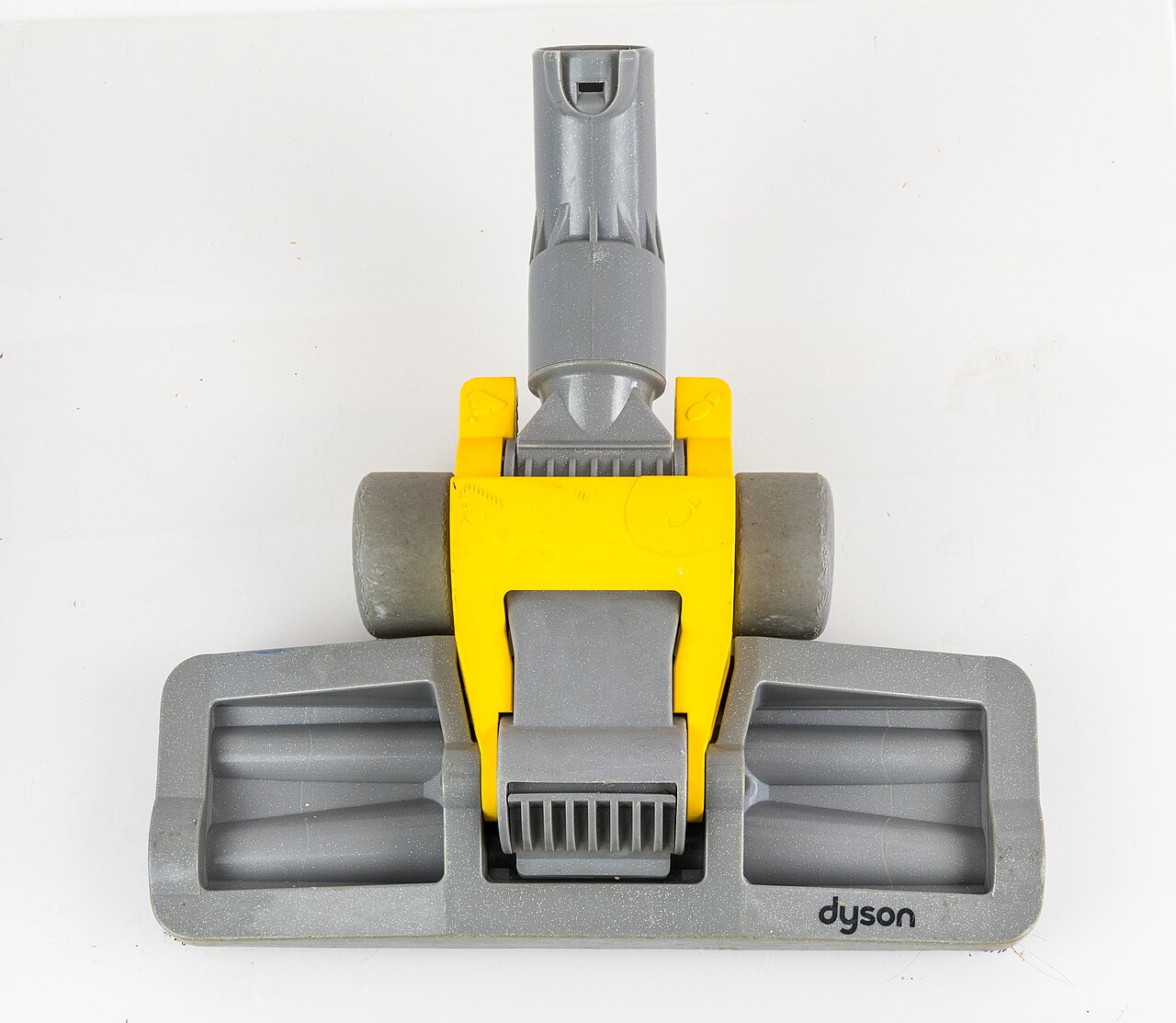
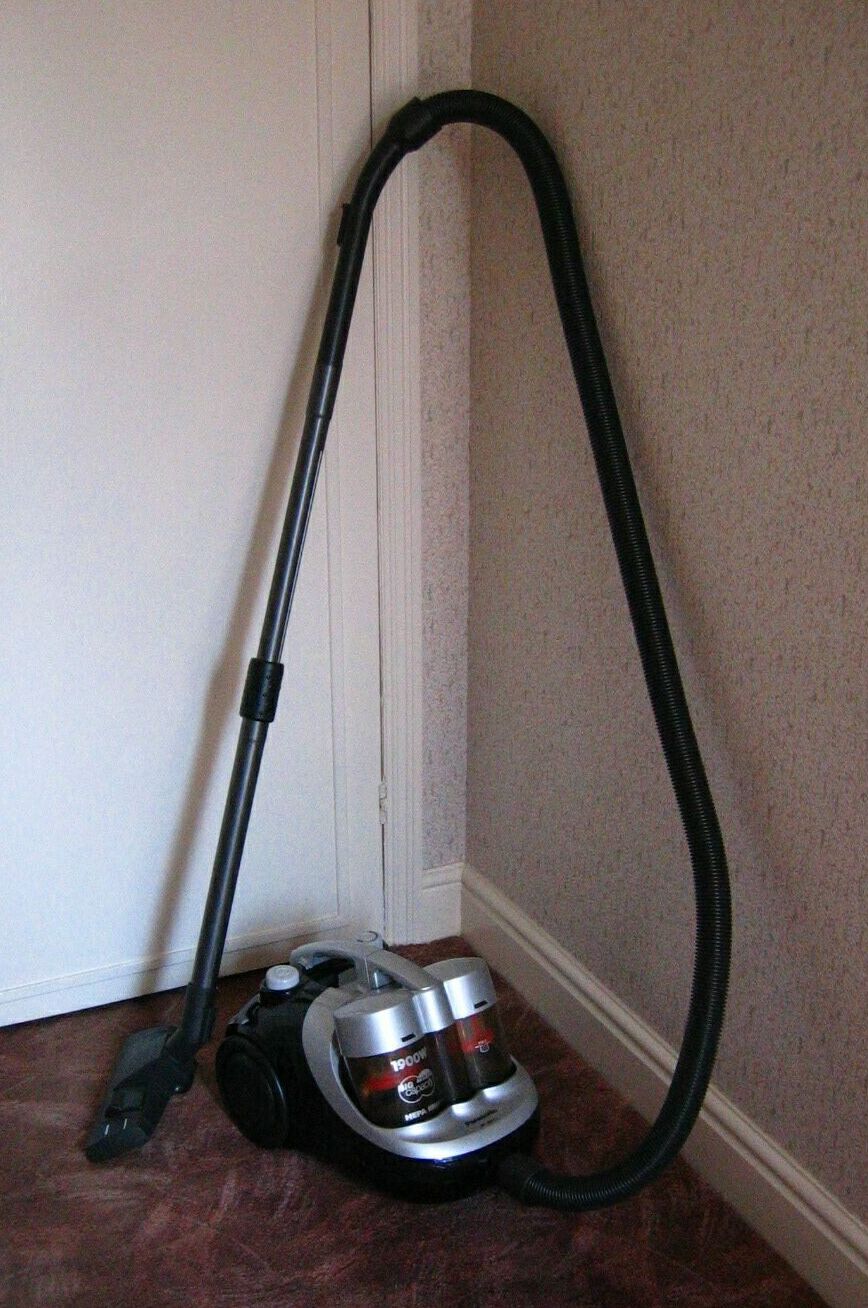
Put the candidates side by side for floorhead design, reach, weight, storage and maintenance. A different brush or better access beneath furniture may matter more in your home than the collection system. Check where the hose sits when stored and how you would carry the cleaner over a threshold or up stairs.
A useful shortlist contains questions you can answer: which bag or filter is needed, how is dirt removed, which parts can be cleaned and where are replacements sold? Then choose the routine that fits your household. There is no reason to replace a working bagged cleaner merely because another collection system looks newer, or to assume a bagless design is automatically the easier option.