Scrape outside, absorb inside
Grit and rainwater do not require exactly the same properties. A coarse outdoor mat can help loosen dirt from soles, while an absorbent indoor mat takes up remaining moisture. Check whether each product is intended for outdoor exposure, sheltered use or indoors only. Decorative fibres will not necessarily cope with an uncovered, rainy entrance.
Measure the area people actually step on. A narrow strip that everyone steps over catches little. Consider the underlying surface too: the mat should lie flat without moving easily. Confirm that its backing suits the floor finish, particularly where moisture could remain trapped underneath for a while.
Can the door clear it?
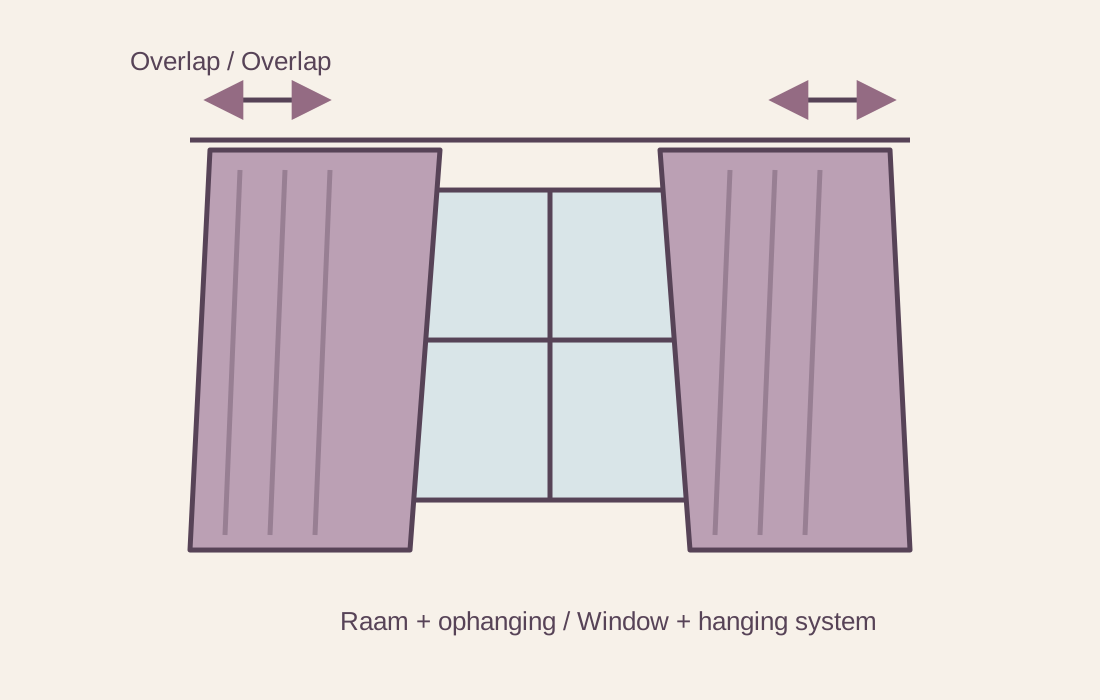
Open the door slowly over the proposed location and measure the smallest clearance. Mat thickness includes both backing and pile. A product that only just fits when dry may curl or bunch during use. Avoid a mat that obstructs the door or rubs against its closing edge.
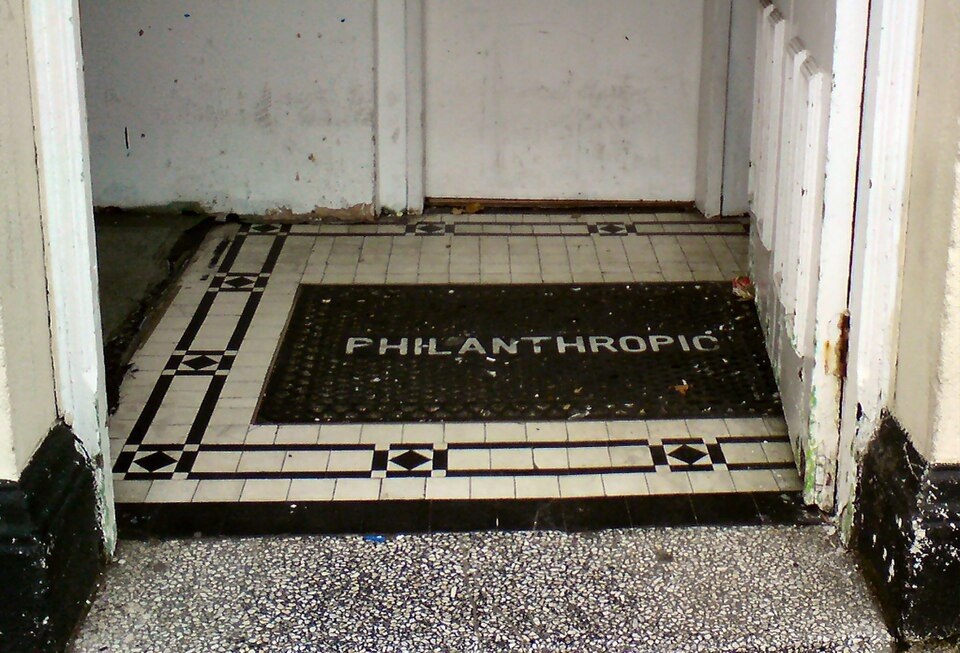
Inspect the perimeter. A thick raised edge is less convenient in a narrow route than a flatter transition. For a recessed mat well, length and width are only part of the fit: check the available depth and how the mat can be lifted out for cleaning.
Cleaning you can actually manage
A washable mat must suit your washing machine in size, weight and care requirements. It can become much heavier when wet. Washable also does not automatically mean suitable for a tumble dryer. Read how the backing needs to dry before it goes back onto the floor.
Vacuum or shake off loose dirt as directed, and clean beneath the mat regularly. After the first wet days, check whether it becomes saturated or shifts position. For a busy entrance, a larger collection area may help more than a thicker mat in the same undersized spot. Replace a mat whose edges remain curled or whose backing no longer grips reliably.