Give each item a destination
A box of old devices can remain in the hallway for months. First separate items that are still usable, products you want assessed for repair and things intended for recycling. Those are different routes. Do not give a potentially faulty device away as working merely because an indicator still lights up.
For reuse, explain honestly what you have and have not checked. Include the matching supply or manual if available. A missing component matters to the recipient. When a fault is uncertain, an assessment is more useful than a confident promise that a new cable will solve it.
Find a collection point for the actual item
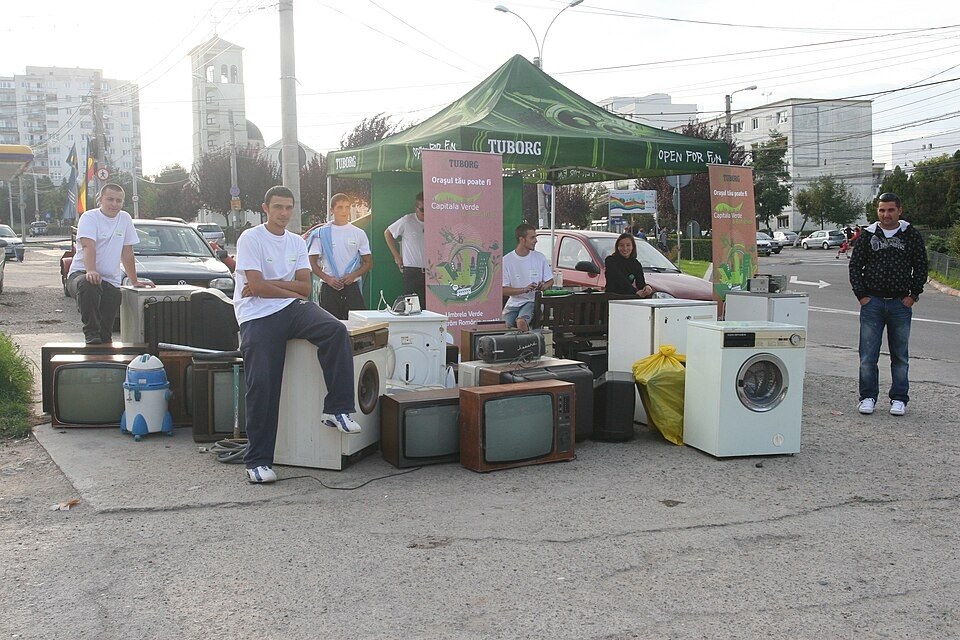
Wecycle provides a Dutch collection-point finder for appliances, lamps and batteries. Facilities differ by location and type of item. A small collection bin at a shop does not establish that the shop can receive your large appliance. Check the destination before arranging transport.
Record the size and type of appliance when contacting the service. Explicitly ask how to proceed with a damaged battery or device. Do not leave it beside a full collection bin without agreement. Staff can explain where it belongs and whether different handling is needed.
Deal with information before handing over hardware
A phone, computer or another device with storage may still contain personal information. Decide what you want to keep and verify that the copy can actually be opened. Remembering that you made a backup at some point is not enough when the next action will erase the original.
Follow the manufacturer’s handover or erasure procedure for the exact device. Microsoft’s Windows guidance includes backing up, resetting and subsequently removing the device from the Microsoft account. Another product may need a different sequence. A random reset button is not a substitute for its instructions.
Check removable memory cards and other separate storage media as well. If a broken device cannot be accessed or erased, discuss that with an appropriate service before surrendering it. Do not assume an ordinary collection point automatically provides a personal data-erasure service.
Make one final check before leaving
Do not extract a fixed battery from a sealed housing simply to make the device look tidier. Ask what preparation is needed and limit disassembly to what the manufacturer permits users to do. Avoid packing loose cables among fragile components; transport items in a way that limits shifting and damage.
Check opening hours shortly before leaving and take only what the destination accepts. Keep reuse and recycling items clearly separated if you have several boxes. A brief record of what you handed over can prevent a later search for an adaptor or storage card that has already left with the device.