Walk the route at floor level
Look at the room from the perspective of a low machine. A sofa may appear to offer generous clearance while a crossbar blocks the route halfway underneath. Measure the lowest point and compare it with the robot's complete height, including any sensor turret. A few millimetres of theoretical clearance leaves little allowance for an uneven floor.
Next examine the passages. Narrow gaps between chair legs, a thick rug and a raised doorway lip are different kinds of obstacle. Record both the height and shape of thresholds. A stated maximum climbing height is not a promise that every rounded, slippery or double-edged transition in your home will be crossed successfully.
Loose objects still need attention
Pick up charging leads, socks and small toys. Cameras and other sensors can help a robot navigate, but they are not a reason to leave vulnerable objects deliberately in its path. A caught lead could pull something from a table. Check curtains that reach the floor and loose cords near blinds as well.
Decide which spaces should remain out of bounds. Does the intended model use virtual boundaries, physical barriers or simply closed doors? Check whether the required feature depends on a subscription and whether normal shutdown preserves your settings. For a straightforward floor plan, closing a door may be enough; elaborate controls are not automatically necessary.
A floor plan with exceptions
Draw the route from the dock to the rooms you want cleaned. Mark doors that normally stay shut and areas with a different floor level. A robot that travels comfortably downstairs cannot reach an upper floor without being moved. Check whether the model supports multiple maps and how it operates without its dock on that level.
Note recurring changes such as unfolded chairs or toys. The home need not become an empty showroom, but the cleaning route still has to remain usable. Choose functions that help organise these real exceptions rather than following only an ideal automatic demonstration.
Leave room for the dock
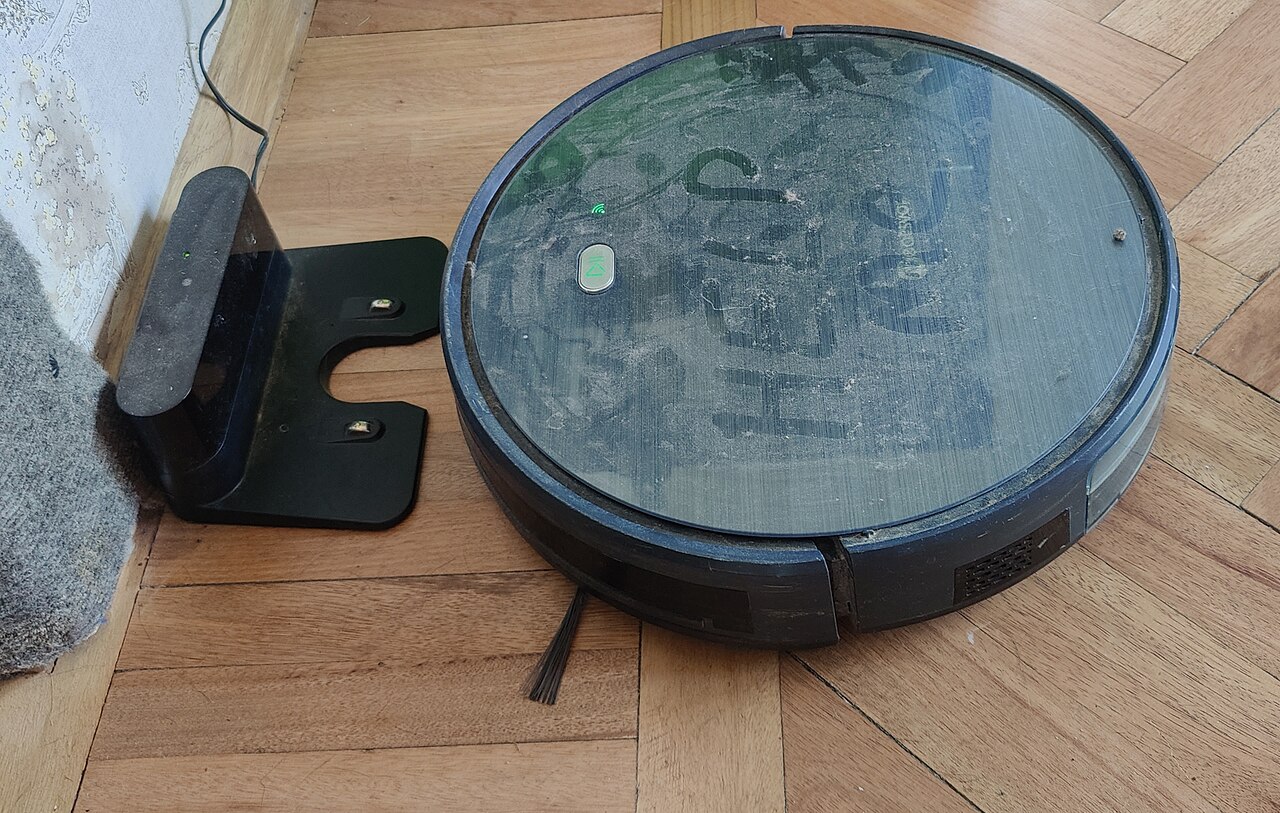
The cleaner needs to locate and approach its station. Read the specified clearance in front and to either side in the installation instructions. A concealed position beneath a cabinet can look tidy while making docking and emptying awkward. A station with water tanks also needs enough overhead space for you to lift them out.
Only then make a feature shortlist. Extra suction is of little use if half the room remains inaccessible. Supervise the first cleaning runs and observe where the robot hesitates. Rerouting a cable or moving one chair can sometimes achieve more than buying a dearer machine that encounters exactly the same obstructions.