Purchase price is only one line
An appliance may need filters, bags, cartridges or cleaning products during ownership. Comparing models does not require predicting every future year exactly. What matters is a reasonable calculation with visible assumptions. Separate recurring supplies from one-off accessories and uncertain repairs.
First identify the materials prescribed for the model. A washable component may eventually need replacement, but differs from a filter routinely discarded. Read maintenance instructions before entering a replacement frequency. A retailer's large number of months may assume conditions unlike your own use.
Find a usable unit cost
Record the price of a compatible pack and how many usable replacements it contains. Three different filters may constitute one maintenance set rather than three equivalent replacements. A bottle of cleaner may provide several treatments under its specified dosage. Count complete usable treatments, not simply visible pieces.
Include delivery charges if you expect individual orders. Compare suppliers using the same quantity and part number. A promotion for an older or incompatible version is not a lower price for your appliance. Record the price date because it may change later.
An example with stated assumptions
Suppose, purely as an example, a pack contains two compatible filters and costs 24 euros. Each filter then costs 12 euros. If the instructions and expected use suggest two filters annually, allow 24 euros per year for that component. These are invented calculation figures illustrating the method, not a price or maintenance recommendation for any particular product.
Suppose a cleaner costs 10 euros per bottle and supplies five prescribed treatments. Each treatment costs 2 euros. Six expected treatments represent 12 euros of annual consumption. The first year's cash spending may be higher because you must buy two whole bottles. Distinguish consumption cost from the amount actually paid when ordering.
Not everything follows a calendar
Usage may matter more than elapsed months. A busy household fills vacuum bags differently from someone cleaning a few surfaces. Water hardness may affect a descaling routine. Do not enter a universal interval where the appliance or its manual uses another criterion.
Where uncertain, create two scenarios, such as lower and higher use, and state why they differ. The purpose is to expose sensitivity rather than present an apparently exact answer. If one appliance seems cheaper only under a very optimistic assumption, that is relevant to the decision.
What stays outside this calculation
Electricity, water and maintenance time can be examined separately, but should not be added without comparable information. An arbitrary value for your time can strongly steer the result. Uncertain repairs likewise do not belong as a fixed annual sum in a simple comparison. Record obtainable parts and unresolved questions instead.
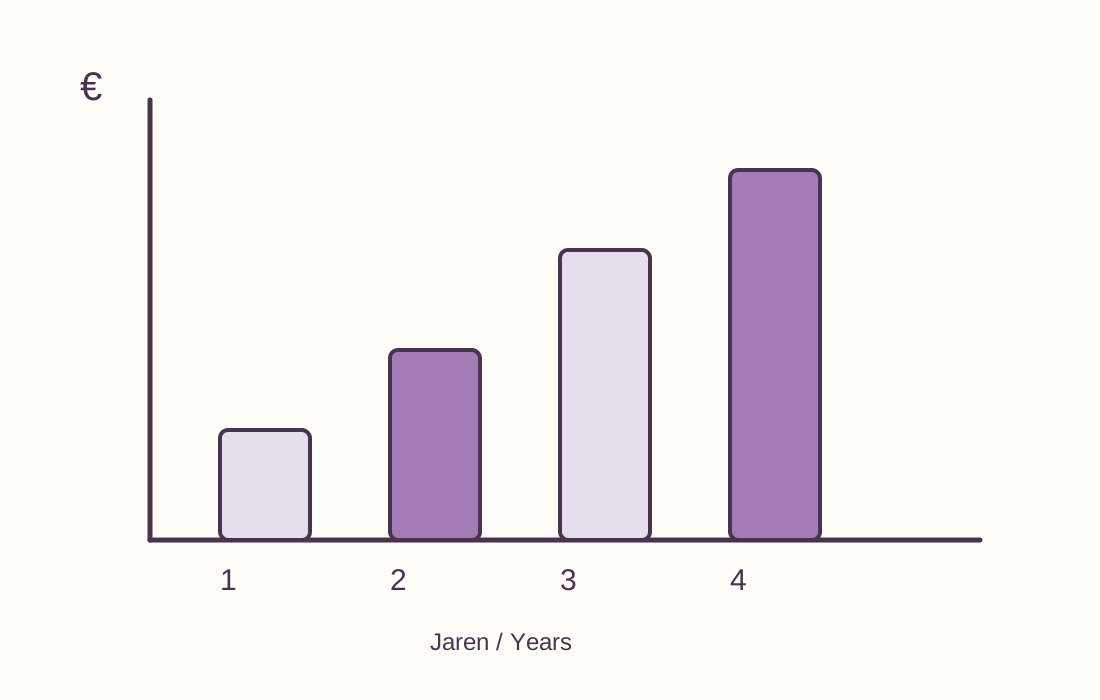
Return to purchase price after doing the calculation. A cheaper appliance with expensive consumables may still suit infrequent use. A more costly model is not automatically cheaper over time. The value of the comparison lies in verifiable supplies and assumptions, not a promise that one figure predicts the entire service life.
Once you own the appliance, replace estimates with a short record of actual purchases. Note how much remains in a bottle or multipack at the end of the period. That avoids mistaking a bulk order for a sudden rise in consumption and gives a better basis for the next comparison.