Identify the actual filter
A vacuum may contain several filters that require different care. Find the shape, location and name of the component in the manual. Removable does not automatically mean washable. Some parts require replacement or only a specified dry cleaning method.
Switch off and disconnect power as instructed. Remove the filter using its intended release without pulling delicate filter material. Inspect for tears, distortion or damaged seals. Cleaning cannot repair those defects; obtain a compatible replacement or seek support instead of assuming washing will restore it.
Water only where permitted
Follow the exact model's method, including water temperature and any allowed products. Even general support pages from one brand may give different directions for different appliances. Avoid one universal filter rule. A dishwasher, washing machine or strong cleaner is not a safe extension of a simple rinsing instruction.
Remove loose dust as directed while avoiding unnecessary dispersal indoors. Squeeze, brush or tap only where the manufacturer allows it for that material. A pleated paper-like structure may require different treatment from foam. Do not force visible dirt out of a vulnerable layer.
Drying is not a formality
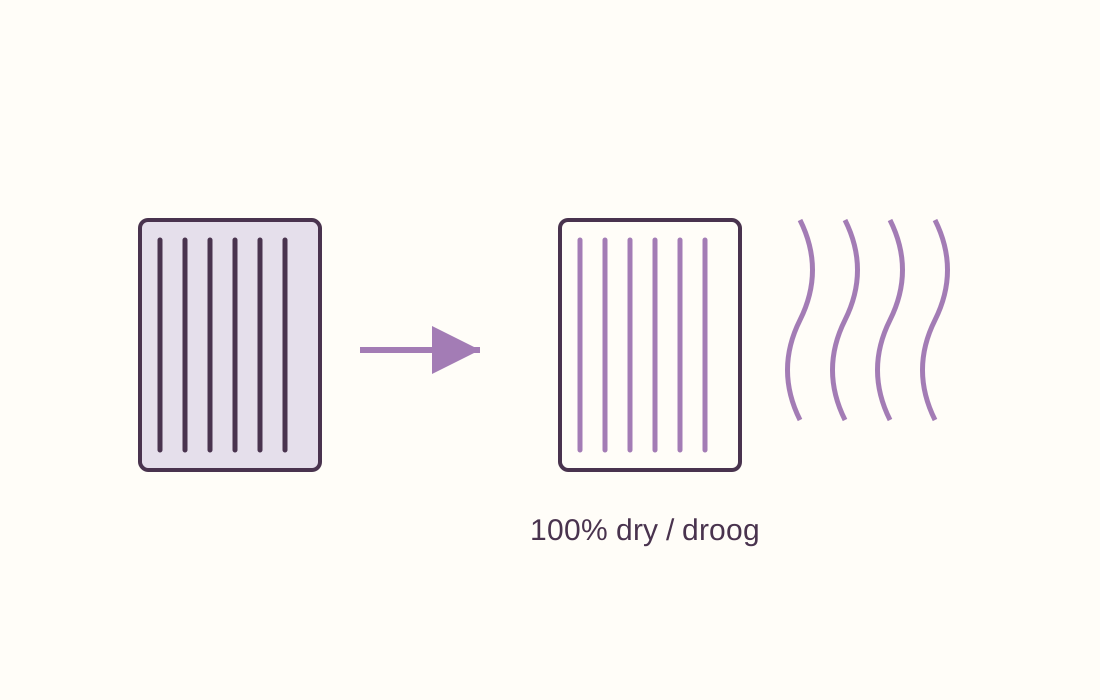
A washed filter must be completely dry before refitting. Dyson specifies at least 24 hours with adequate airflow for the relevant cordless filters. That is a minimum in those instructions, not a guarantee that every filter in every room becomes dry at precisely that time. Follow your version's guidance and allow longer if moisture remains.
Plan cleaning for a time when the vacuum can be unavailable. A second approved compatible filter may help, but do not use an arbitrary substitute to avoid waiting. Do not accelerate drying with an oven, microwave or other unauthorised heat source. Keep the detached filter somewhere clean so it does not collect new dirt.
Refit and check
Install the dry filter correctly and close its holder as described. Do not run the vacuum without a required filter. If a maintenance message remains, read the instructions for that message; repeatedly washing again is not automatically the answer. Check other accessible causes, such as a full container or obstruction, as directed.
Record filter type and method with the appliance details. This prevents later maintenance relying on remembered instructions from a previous vacuum. A short correct routine is more useful than intensive cleaning with a method that damages the material.