Start with an ordinary laundry basket
A large drum is appealing, but begin with the amount you normally wash together. You can weigh a representative dry load by weighing yourself first, then holding the basket, and subtracting the empty basket's weight. This is not a laboratory measurement; it simply turns a vague impression of lots of laundry into something more concrete.
Distinguish everyday washing from occasional loads. A family may run frequent small colour-separated batches, while one person washes bulky bedding once a week. Household size alone therefore cannot determine the right capacity. Consider how long you are willing to accumulate laundry before starting a cycle, rather than choosing a machine around an imagined full load.
Read the programme table
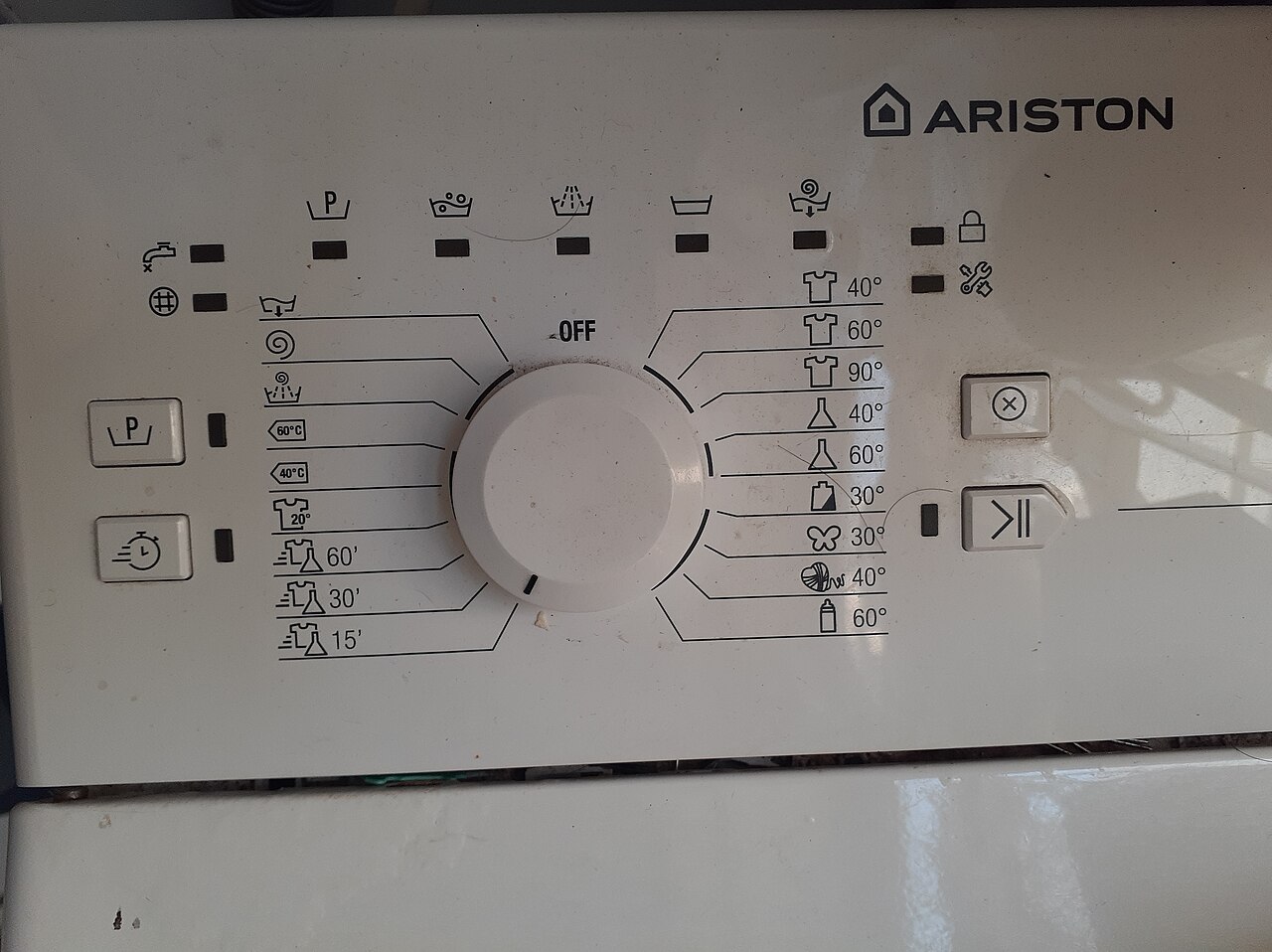
The maximum capacity does not automatically apply to wool, delicates or a quick cycle. Consult the candidate model's instruction table. Individual programmes can have substantially lower load limits. A large machine may therefore accept much less on a short refresh cycle than the prominent number on its front suggests.
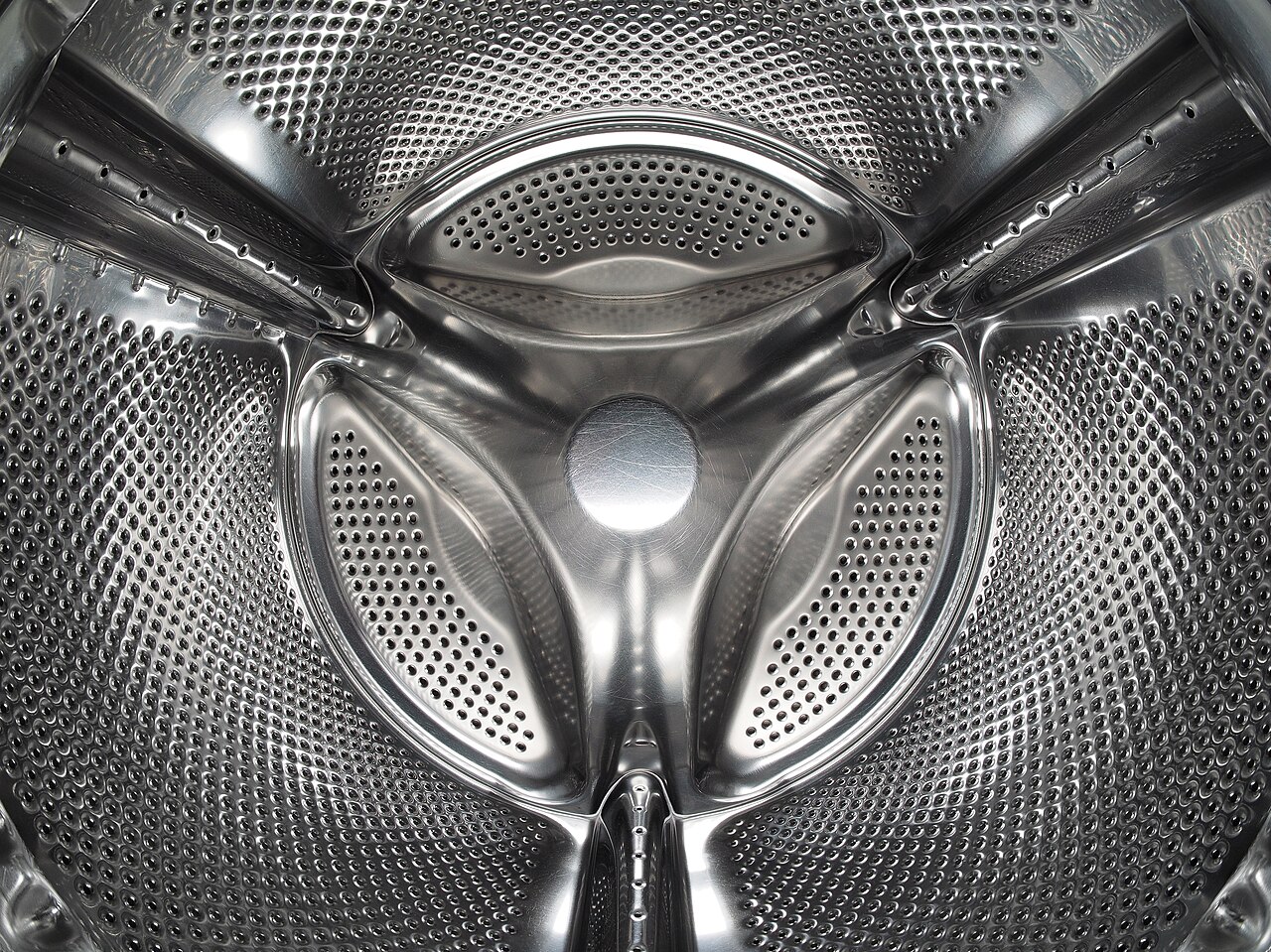
For bulky items, consider movement space as well as weight. A duvet does not behave like a compact stack of towels. Follow the item's care label and the machine's loading instructions; do not force something through the opening simply to make it fit. Door diameter and easy access to the drum are useful parts of the comparison.
Map a week of laundry
For an ordinary week, make a short record of your loads. Note the programme, whether the basket was full and why you did not want to wait longer. You might have little total weight but need sportswear available again quickly. A larger drum does not change that timing requirement and will not automatically prevent additional wash cycles.
Then consider exceptional loads separately. A substantial bedding set may be a clear reason for extra room, provided an appropriate programme supports it. One unusually heavy load per year is a weaker reason to organise all everyday washing around a much larger appliance. The balance between recurring and occasional tasks matters.
Compare two candidates using the same example load. Find the appropriate programme and its limit on each. Record duration, permitted temperature and available spin setting. If the larger appliance has the same small limit on that programme, it offers no additional capacity for that particular task. This is not inherently a fault, but it is information lost in a comparison based solely on the headline kilogram rating.
Keep these notes beside the installation measurements. You can then explain a purchase with two concrete reasons: which laundry fits, and why the appliance fits its intended location.
Capacity alongside habits
Greater capacity does not mean every cycle necessarily uses excessive water, but automatic load sensing does not make every small wash equally efficient either. Compare the relevant product data and programme options. Concentrate on whether the machine can handle your actual loads using an appropriate cycle, rather than relying on one broad efficiency claim.
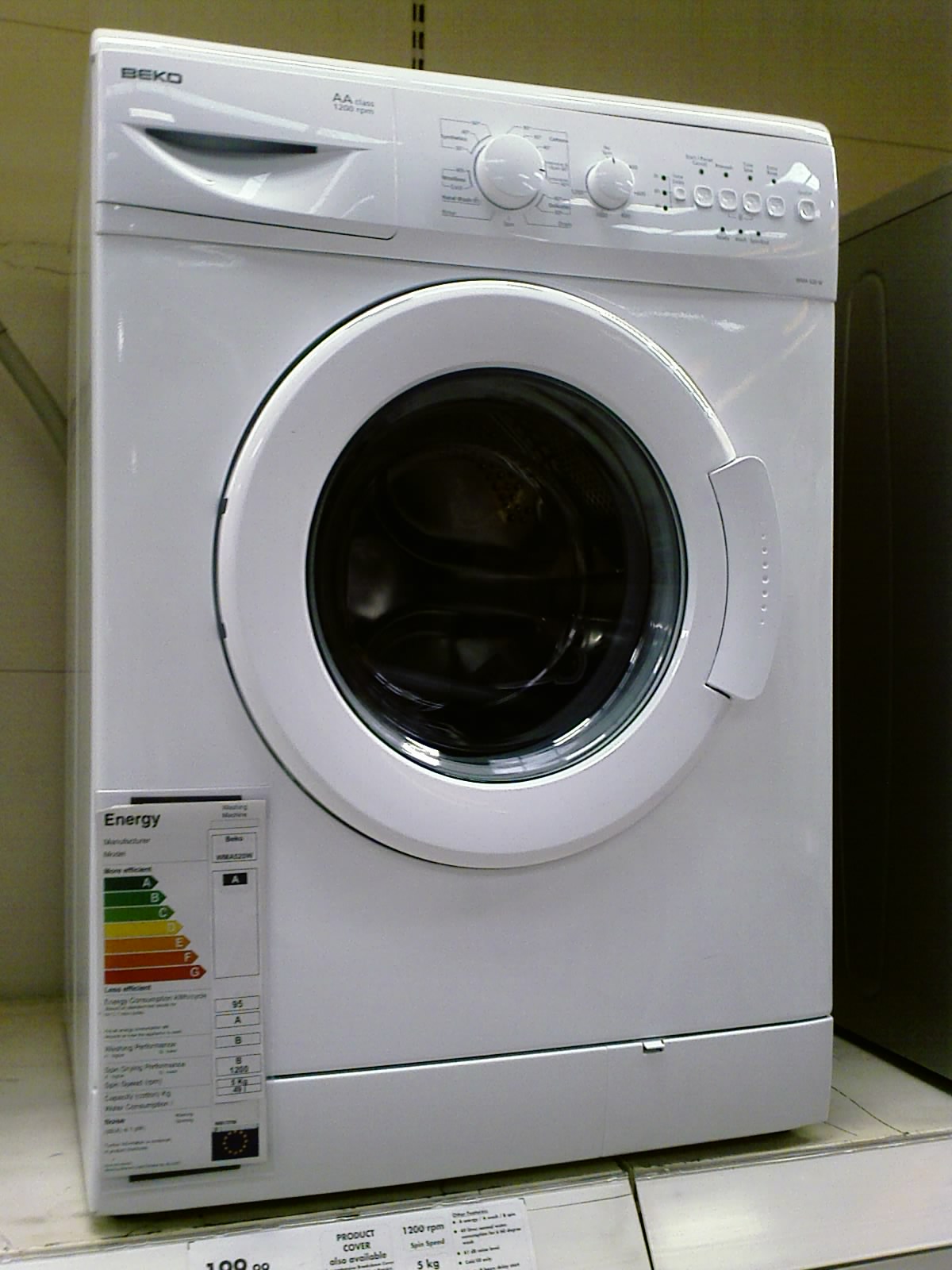
Finally, check the external dimensions. A larger drum may accompany greater cabinet depth, a projecting door or reduced room for hoses behind the appliance. Do not let kilograms decide the purchase alone. A model that takes your normal washing without cramming, offers the required programmes and remains accessible in its installed space is a more defensible choice than automatically selecting the largest version.