A slot suited to the bread
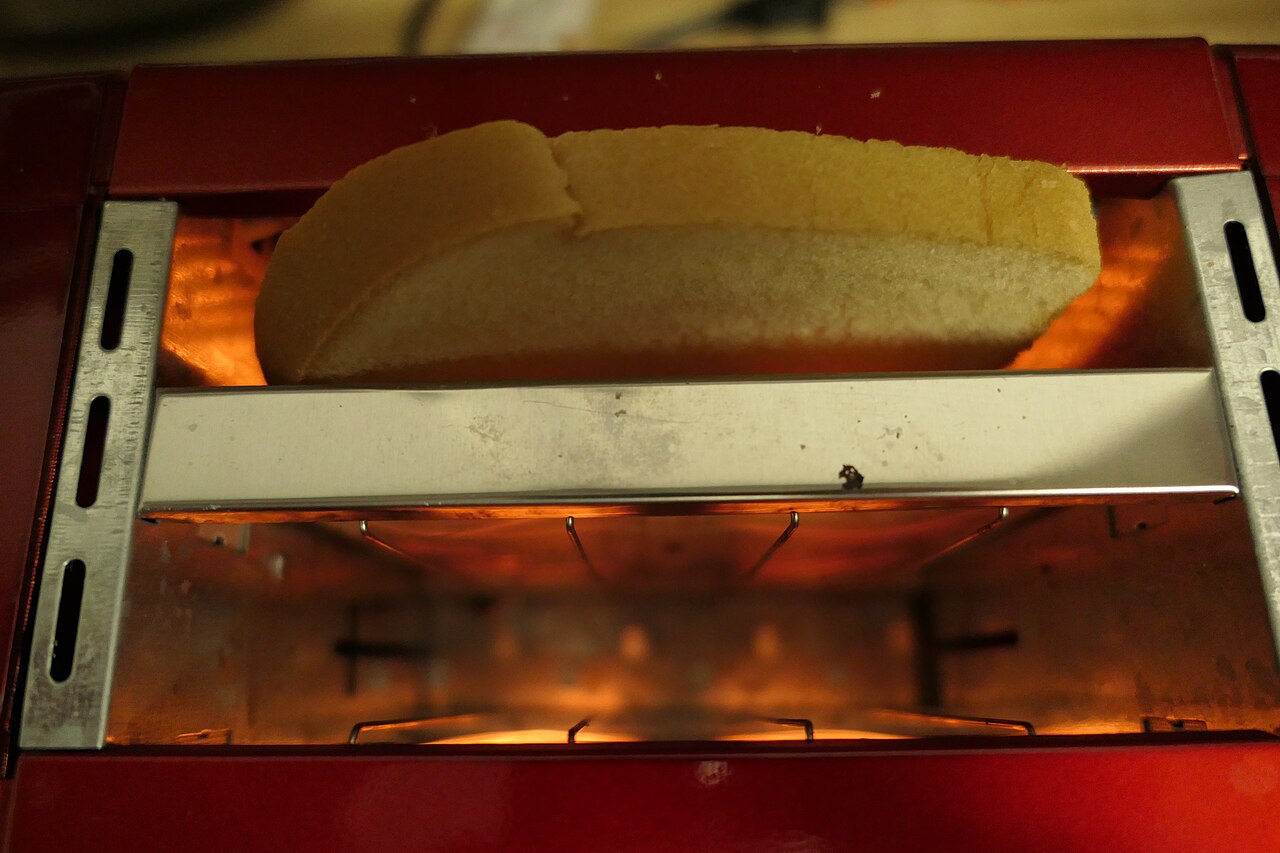
Look at the bread you usually buy or cut yourself. A broad sourdough slice requires something different from thin square sandwich bread. Measure length and thickness against the usable slot space. Slot count alone does not tell you how much of your own bread can actually be toasted at once.
A long slot may hold one wide slice or two smaller pieces, depending on dimensions. Check whether the maker describes that arrangement. Do not wedge bread tightly against the sides to use every bit of capacity. Ingredients that can drip or melt need separate consideration and are not automatically permitted inside an ordinary pop-up toaster.
A high-lift setting may help with short slices or small bread items, but inspect how much additional clearance it provides. The top rim and food can be hot. Never insert a metal object to retrieve bread from a connected toaster. Switch off, unplug and follow the instructions if something becomes stuck.
Check how the bread carriage centres slices. Thick and thin pieces may sit differently. Understand a bagel or one-sided function before expecting a particular browning result. The button name does not always explain precisely which heating elements change or how the food should face within the slot.
Crumbs and counter position
Find the crumb-tray opening. A tray removed from the rear can be inconvenient when the appliance sits closely beside other equipment. Empty it as directed and keep accumulated crumbs away from the surrounding area. Observe the specified clearance from overhead cupboards and combustible materials rather than treating the closed footprint as the whole operating space.
A bun rack or warming function may help, but should suit the products you eat. Choose around ordinary bread, accessible handling and cleaning. An extra-long housing occupies more counter space permanently. That space is worthwhile only when its slots make your usual breakfast easier to manage.