Begin with the work on your board
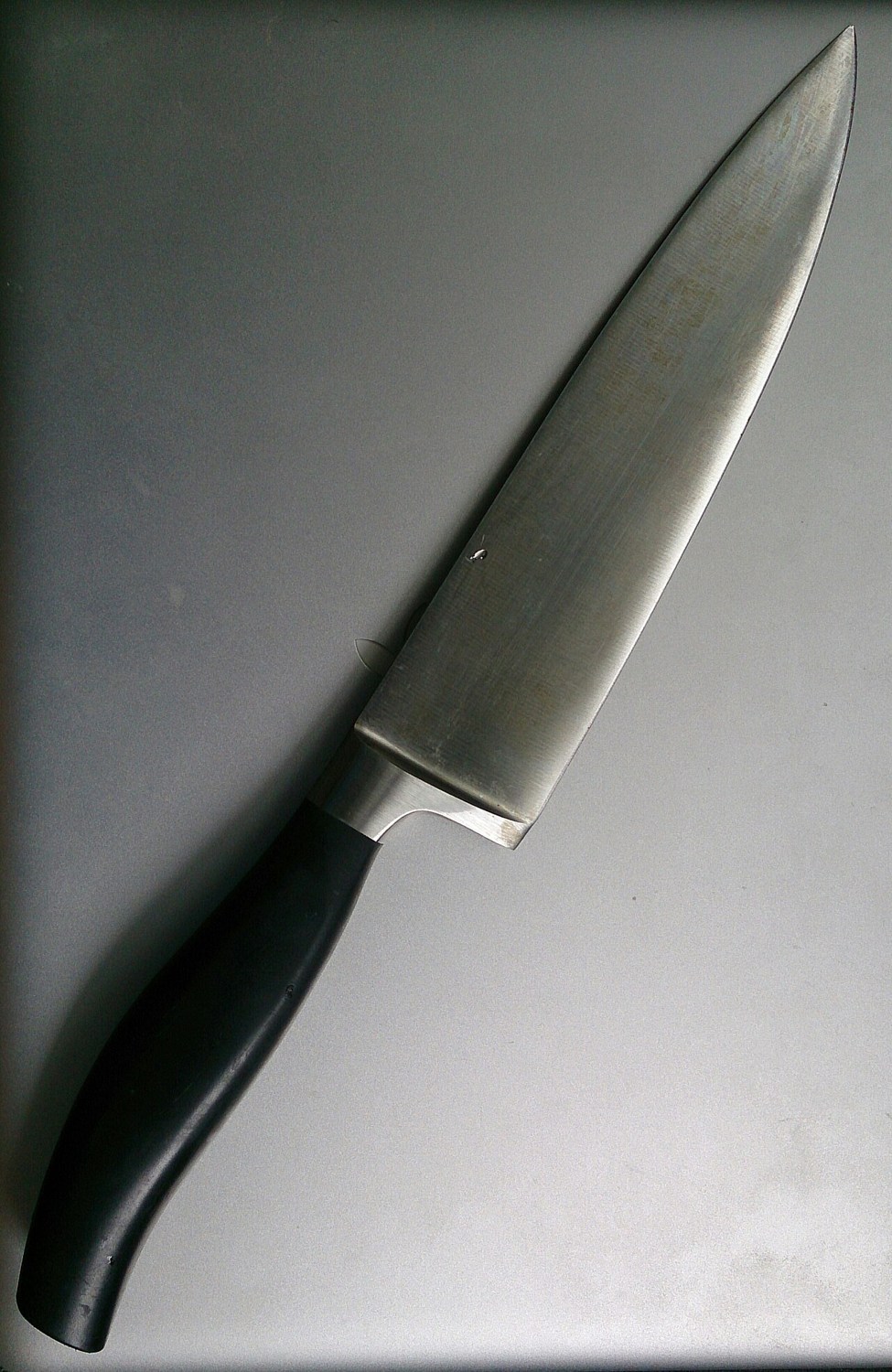
A large knife block can contain several blades that solve the same problem. Before buying a set, write down what you cut in a normal week. Vegetables, a loaf of bread and small pieces of fruit call for different handling. A general kitchen knife, a serrated bread knife and a small knife may cover your routine, but there is no compulsory number that suits every cook.
Blade length should make sense beside your chopping board. A long knife on a tiny board leaves little room to work, while a very short blade can make a large cabbage awkward. Compare the usable board area with the food you regularly prepare, rather than choosing a blade by its appearance in a photograph.
The handle deserves a trial
Hold a display knife only with the shop's permission and appropriate care. Notice whether the handle feels secure, whether your fingers have clearance above the board and whether the balance suits the movement you make. An attractive material or a high price cannot tell you how the knife will feel in your own hand.
If several people cook, their preferences may differ. Buying one suitable everyday knife for each person can make more sense than one elaborate set everyone dislikes. Keep left-handed use in mind when a blade or handle is asymmetrical; check the manufacturer's description rather than assuming every knife is reversible.
Plan sharpening and storage
Ask what maintenance the blade requires and whether your existing sharpener is appropriate. A honing tool and a sharpening system do not necessarily perform the same job. If you do not want to maintain the edge yourself, include a suitable professional service in your ownership plans. Avoid selecting a specialised blade while leaving maintenance as an unsolved detail.
Store blades so that edges are protected and hands do not meet them unexpectedly. Check the fit of drawer inserts, guards or a block before buying. Wash and dry according to the maker's instructions, and do not leave a loose knife hidden in washing-up water. A small selection becomes useful through good fit, upkeep and accessible storage, not through the number of matching handles on display.