A name often describes a family
A memorable product name is easier to remember than a string of letters and digits. Yet that name can cover several versions. One box may include an extra accessory, another a different connection or a version intended for another sales region. Comparing only the prominent name at the top of a page can hide those differences.
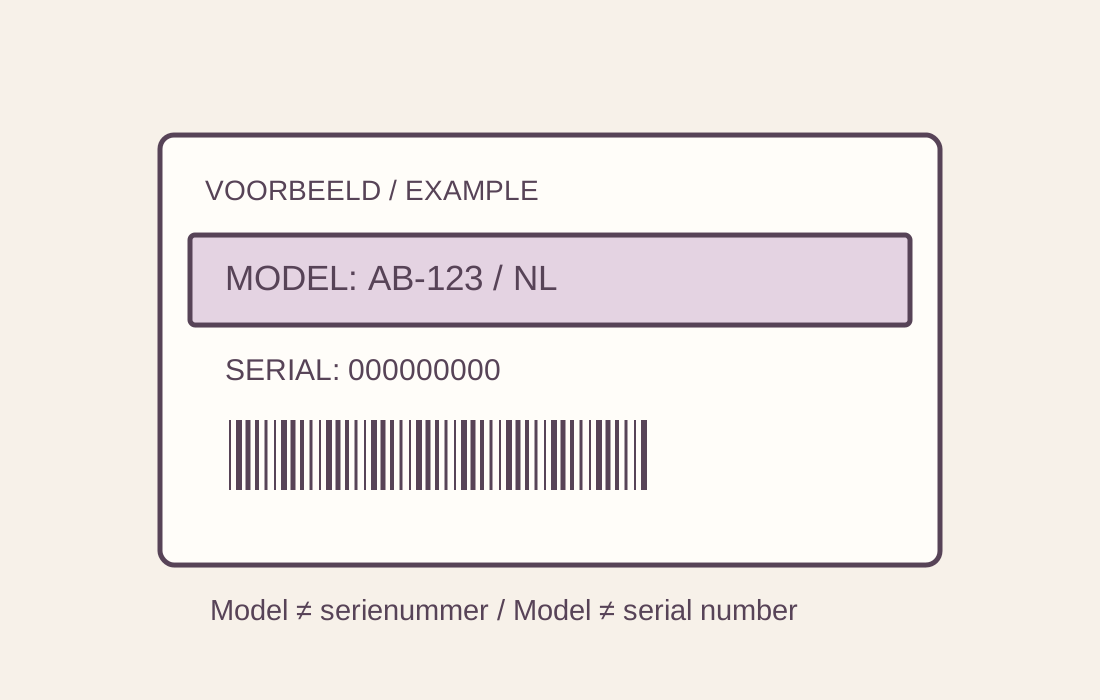
Create a separate column for the complete model code. Preserve letters, numbers, slashes and suffixes. Treat different codes as different versions until the manufacturer clarifies the distinction. An identical photograph is insufficient: shops may reuse one family image across several variants.
Which number are you looking at?
A product may carry a model number, serial number and retailer item number. They serve different purposes. A model number identifies a version; a serial number may identify an individual unit. A shop's number helps within that shop but may mean nothing elsewhere. Label each recorded number by its stated role.
Bosch, for example, calls its product number E-Nr and uses other identification fields alongside it. Its model finder and documentation show which reference is required. This illustrates why selecting whichever number on a label is longest is not a reliable method. Follow the particular manufacturer's terminology.
Identifying an appliance you own
Start somewhere safely accessible, such as the designated rating plate or original documents. The manufacturer's support page may show where the label sits. Do not move a heavy or built-in appliance on your own merely to photograph a sticker. Use purchase records or seek support where necessary.
Take a sharp photograph with enough light and check whether zero and letter O, or one and letter I, are distinguishable. Keep the picture privately with the manual. A public product comparison usually does not need an individual serial number. Share only identification details relevant to the question being asked.
When a suffix matters
A small suffix may relate to a bundle or regional version, but meanings are not universal. Do not invent one decoding rule for every brand. Look up the complete reference on the official product or support page. Check particularly the properties essential to your intended use.
If two shops show different references, compare box contents, specifications and linked manuals. Ask which code will appear on the delivered product if uncertain. An answer merely repeating the series name does not resolve that question. Keep useful written clarification with the order details.
Maintain the comparison
Record the source and date alongside the code. Do not combine one version's price with another version's accessories. When changing the shortlist, recheck that related information still belongs to the same reference. Promotions may feature a reduced bundle under an almost identical title.
After delivery, compare the product code with the order before discarding packaging. Save the correct manual and, where helpful, consumable references. The model number then remains useful for matching a later filter, brush or supply. It does not guarantee quality, but it does help ensure that everyone is discussing the same product.