Describe the work with verbs
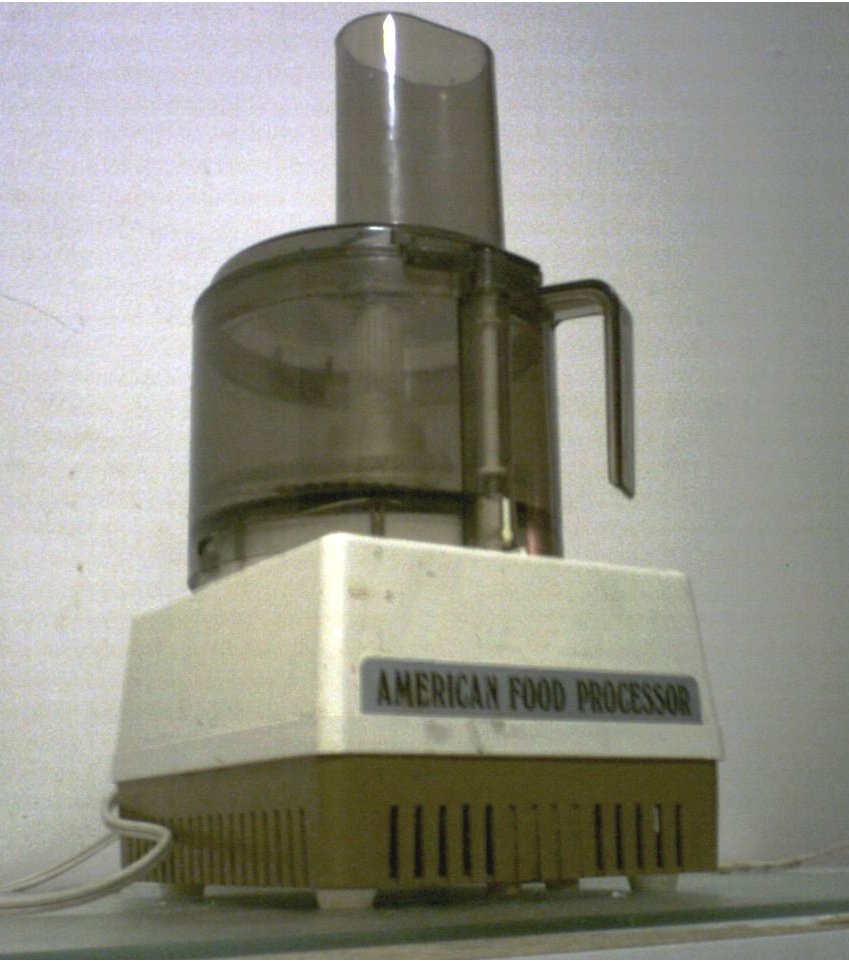
Do you want to slice vegetables, chop nuts, knead dough or whip cream? Naming the job makes the choice clearer. A food processor commonly uses blades and discs inside a covered bowl. A stand mixer moves a hook, whisk or beater through a bowl. Retail descriptions do not always use kitchen-machine and mixer terminology consistently.
List the three jobs that take most effort. Someone preparing vegetables for several meals needs something different from a weekly bread baker. An attachment may add functions, but verify that it is actually supplied and intended for the quantities you want. A photograph of accessories does not establish the contents of every package.
Dough is not one category
Light batter, shortcrust pastry and stiff bread dough impose different demands. Read the limits for the preparation itself rather than only bowl volume. With a stand mixer, a stated flour quantity can differ from total dough weight. A food processor's dough function may have its own quantity and operating-time restrictions.
Do not expect higher wattage automatically to identify the better dough machine. Drive design, tool, mixing movement and permitted load all matter. Look at speed and operating-duration instructions. Using an appliance beyond its directions is not a meaningful way to obtain better value from a purchase or compare its capabilities fairly.
Cutting versus mixing
For slicing and shredding, discs, a feed opening and a pusher are relevant. Inspect thickness adjustments and how easily the bowl empties. A broad feed tube can reduce preparation but does not replace safe use of the supplied pusher. Keep hands away from moving blades and discs.
For whipping and mixing, examine whisk reach, ingredient addition and access for scraping the bowl. A large bowl can be less suitable for a very small amount. Ask about the model's described minimum and maximum quantities rather than relying on an impressive largest batch. A machine that cannot comfortably handle your ordinary small preparation may be a poor everyday fit.
Compare two complete packages
When comparing prices, identify exactly which tools are supplied. The same base machine may be sold with different bowls, discs or accessories. A favourable package price matters only if missing components do not have to be purchased later for your main task. Record what each candidate can actually do from its first day in the kitchen.
Then check whether later expansion is supported for the precise model. A general brand attachment may use a different coupling or suit only certain generations. Keep compatibility information with the model identifier. Promised versatility is less convincing when the required components are not clearly available.
Include the transition between recipes too. Must the bowl be completely cleaned before the next preparation, or is a second compatible bowl available? Where will a used sharp blade sit while you do another job? These questions become particularly relevant when several preparations follow in succession. The issue is not only motor capability but maintaining an orderly working space.
Avoid buying an extensive accessory package solely to preserve hypothetical future options. A defined main job, suitable capacity and obtainable replacement parts provide a more concrete starting point. Expansion may become worthwhile later when a new habit develops and the system genuinely supports that additional task.
Where will the parts live?
A processor with several discs requires safe storage for sharp components. A stand mixer is often heavy and may remain on the counter. Measure both working and storage locations. Allow for opening a lid or tilting a mixer head beneath an overhead cupboard, rather than measuring the machine only when closed.
Follow the cleaning sequence after your main recipe. A machine that saves preparation minutes but leaves many awkward parts can become less attractive for small portions. Choose the machine type that supports the main task first. Add accessories only when another specific job justifies their additional space, cost and cleaning.