What do you hear in a quiet room?
A fan that seems quiet in a shop may be clearly audible beside your bed. Background sound and distance change the impression. Rather than comparing only a minimum decibel figure, look for its measurement conditions. Establish whether that number applies to the setting that provides the airflow you actually need.
Consider sound character as well. Steady moving air can feel different from a click on every oscillation or a changing motor tone. A single number does not fully describe that experience. If you can hear a demonstration, try oscillation and transitions between speeds rather than assessing only the highest setting or the briefest possible sample.
Controls in the dark
Check whether the display and indicator lights can be dimmed or switched off. Ask whether they light up again when you change a setting later. On one model a night mode may mainly alter illumination; on another it also changes speed. The name alone does not explain the behaviour.
A remote control can be convenient, but inspect the controls on the appliance too. You still need to stop it if the remote is missing. Establish whether a timer switches off after a chosen duration or schedules a start. These are different functions sometimes grouped under the same broad description.
Position beside the bed
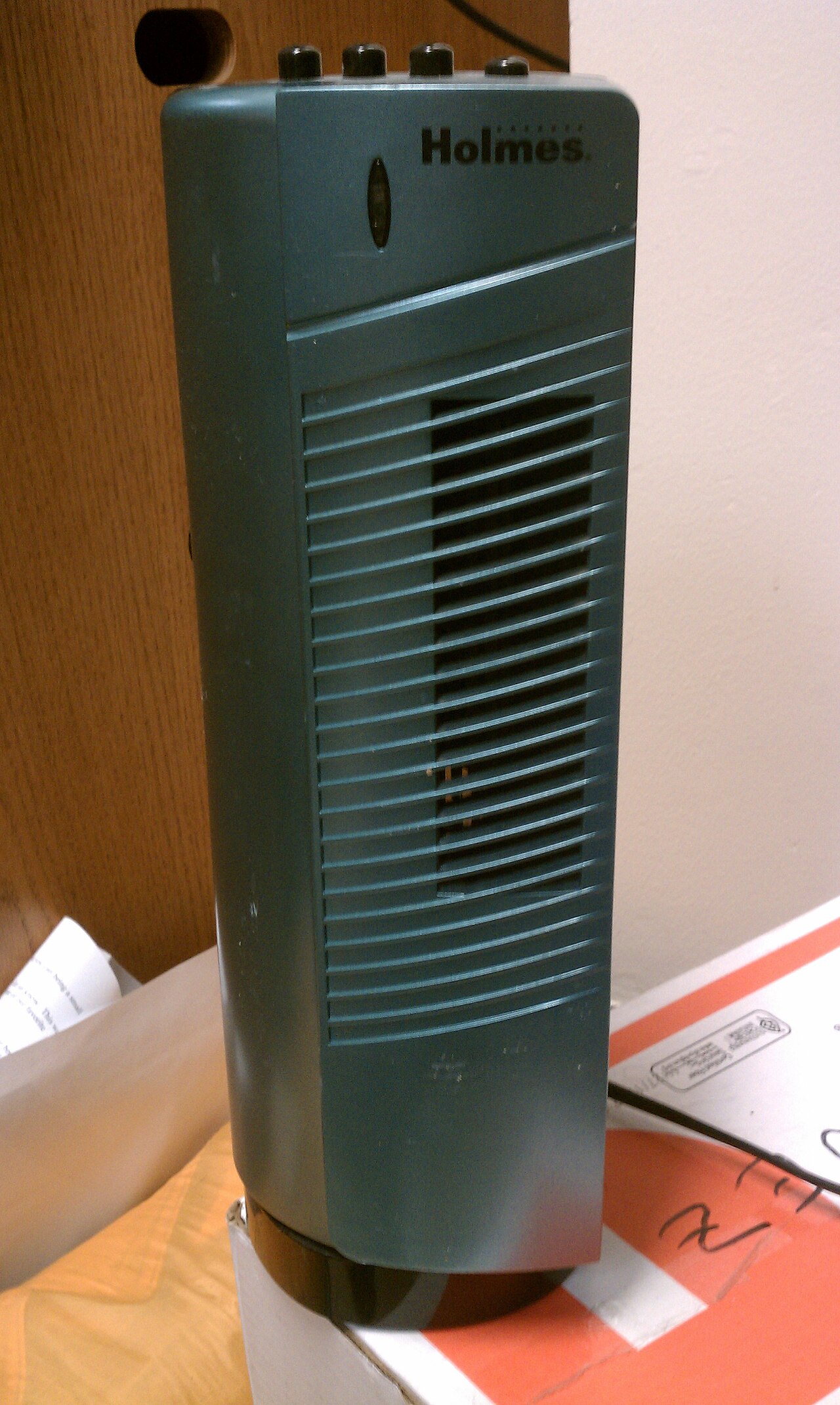
Give the fan a stable position outside a walking route. Check whether its airflow clears the edge of the bed and whether the lead reaches a socket safely. A raised pedestal head can aim across the bed without occupying a bedside table. A small table model may be sufficient when it sits close to you.
Think about cleaning as well. Dust should be removable from accessible guards as described in the instructions. Avoid a location that requires squeezing the appliance out from between furniture for every cleaning task. A suitable bedroom fan combines useful airflow with controls and sound you accept at that distance; a large selection of speed numbers does not establish that on its own.