Start with the decision you need to make
Write down what the product needs to do. A desk lamp for a narrow work surface calls for different comparisons from a lamp intended to light an entire room. Without that setting, a list quickly grows to include whatever manufacturers happen to mention. Filling more boxes does not necessarily bring the decision closer.
Choose a few requirements that every candidate must meet. These might include an available width, a necessary connection or a part that must be sold separately. Keep negotiable preferences alongside them. An attractive finish should not silently compensate for an appliance being unable to fit into its intended space.
Keep unknown answers visible
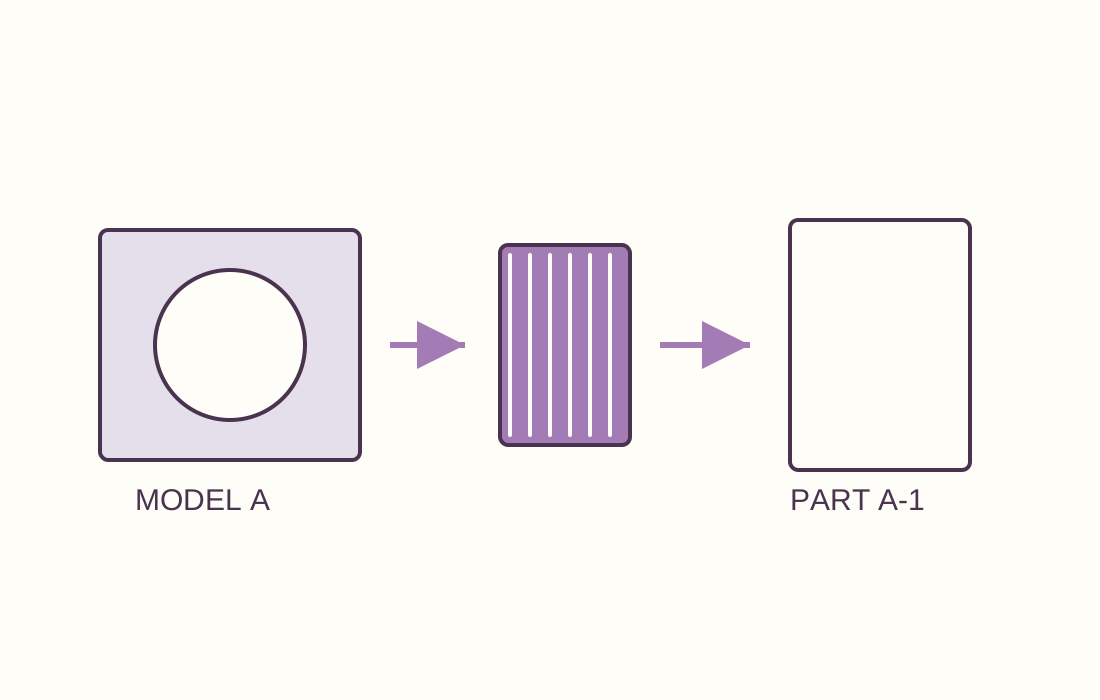
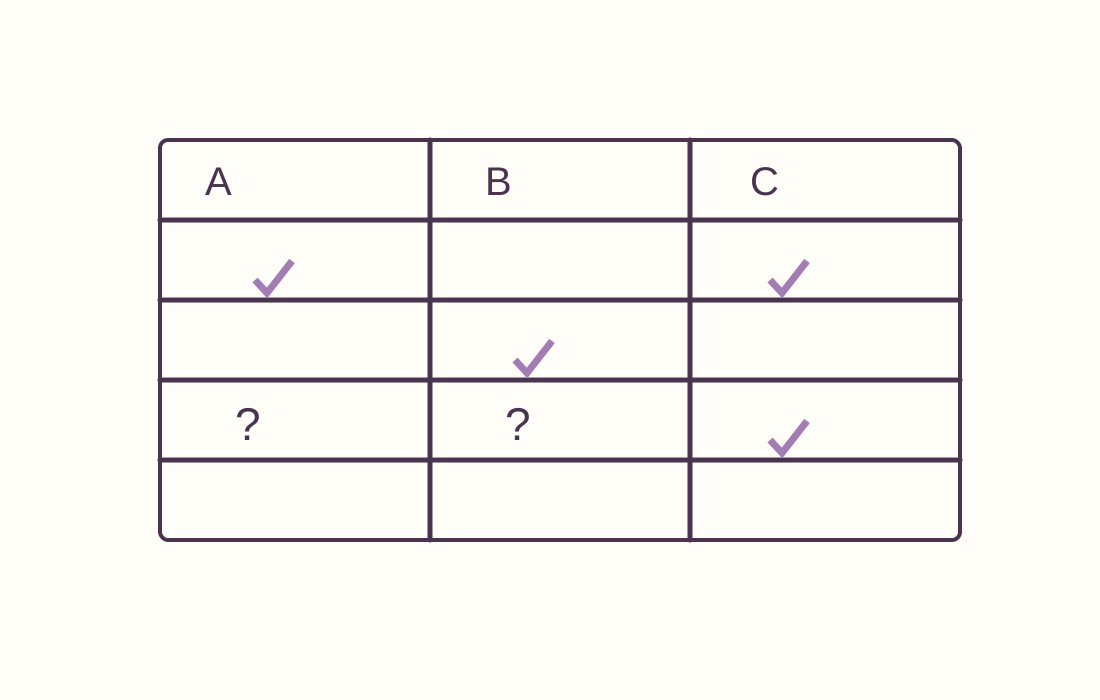
Give each product its complete model reference and each property its own field. Do not turn a missing answer automatically into no. Unknown, absent and not applicable mean different things. A question mark preserves the distinction and shows what still needs checking.
Attach a source to important facts: a manual, specification sheet or manufacturer’s response. Record when you checked it. You do not need to save every promotional claim. Keep the passage that answers a concrete question, such as how much clear space is required behind an appliance.
Make sure the figures describe the same thing
Two numbers in one column may measure different things. Ask whether a dimension includes the handle, whether a weight includes the battery and which setting was used for a runtime claim. Preserve that context instead of simply highlighting the largest or smallest figure.
For product groups carrying an EU energy label, EPREL can help compare registered model information and product information sheets. The database does not replace your checks of fit or controls. Use the information for the subject it describes, rather than treating it as a verdict on every aspect of a product.
Separate recorded specifications from your own observations. A measured shelf width is different from finding a handle comfortable. Both can matter, but recording them separately avoids presenting an individual preference as a universal product characteristic.
Try a small worked comparison
Imagine that two appliances offer the connection you need. Model A fits the shelf; for model B, the depth including its plug remains unclear. Do not mark B as fitting just because its housing looks slimmer. That unanswered question deserves attention before comparing five extra modes you are unlikely to use.
When ruling out a candidate, record the reason briefly. This prevents another investigation of the same version a week later under a slightly different shop title. Keep rejected models separate from the current shortlist so the table remains readable.
Stop when the remaining questions are answered
A comparison does not have to cover every model on sale. Check whether the remaining candidates meet your requirements and whether their differences would actually change your decision. Before ordering, verify the version, box contents and information that your choice depends on. Keep the notes with the purchase record afterwards; they may also help when looking for replacement parts.